
The James Webb Space Telescope: A Game-Changer for Astronomy and Exploration
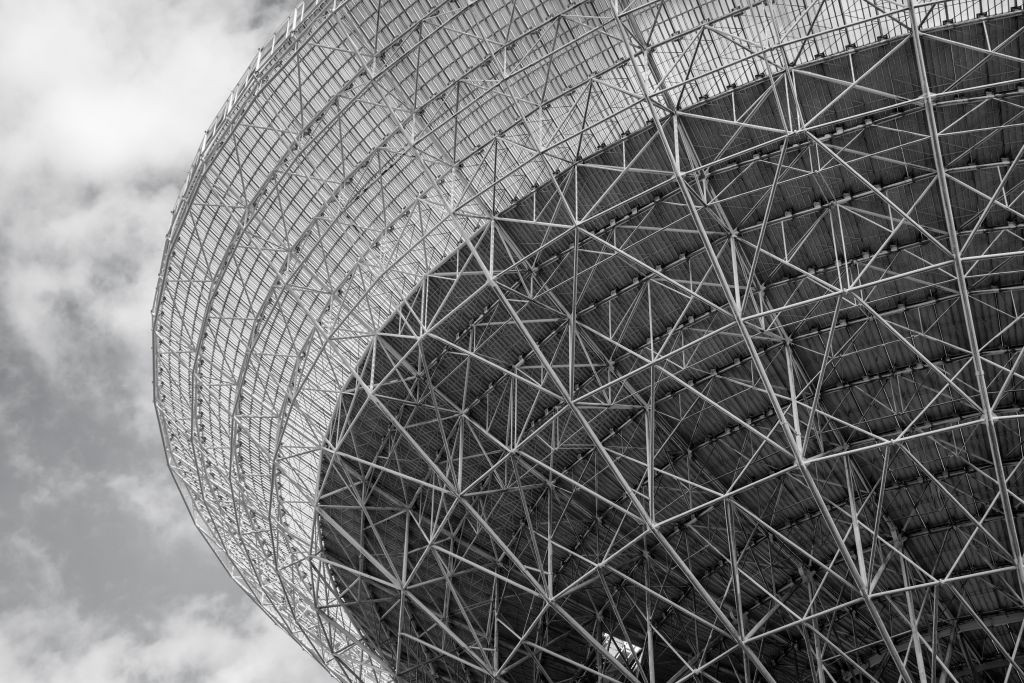


Do you think aliens exist? Have you ever imagined traveling to a different planet or a distant galaxy? Where did we come from? All these are questions we ask ourselves, and many people have tried to answer these questions with interesting theories that have turned into best-selling novels, big-screen blockbusters, and even video games. Heck, even the chart-topping slots enjoyed by most players on licensed iGaming sites like IceCasino are based on space-age themes and storylines about the cradle of humankind.
Indeed, it’s human nature to ask yourself many questions about our origins and the existence of other species beyond Mother Earth, and astronomers have devised many tools to answer them. However, the James Webb Space Telescope (JWST) is currently ahead of the pack. This ambitious project builds on the legacy of its predecessors to provide us with more insights regarding our solar system and beyond.
Unprecedented Infrared Sensitivity
JWST is the first infrared observatory by NASA. The device was devised through an international collaboration between NASA, CSA (Canadian Space Agency), and ESA (European Space Agency). JWST presents considerable advancements from the scientific and technological lineage established by its optical and infrared predecessors. Its sensitivity and spatial resolution beats observatories like Hubble, Spitzer, and Herschel, spanning from 0.6 to 28.8 microns. These leading-edge enhancements open up new possibilities for groundbreaking scientific research.
NASA’s Goddard Space Flight Center handled the observatory’s development, with Northrop Grumman as the primary industrial collaborator. Moreover, Baltimore’s Space Telescope Science Institute (STScI) is the telescope’s Science and Operations Center for JWST. The institute brings together the scientific community to facilitate and optimize JWST’s endeavors. This invention has an anticipated operational lifespan of at least five years, aiming for 10. The telescope functions as a comprehensive observatory, open to the global community through regular invitations for observing proposals. An external time allocation committee peer reviews the proposed programs for JWST.
How the James Webb Space Telescope Works
JWST closely resembles traditional telescopes. The device’s primary role is to capture and focus light to extend our vision into the distant cosmos. However, several distinctions give this invention an edge over its legacy counterparts; it operates in a segment of the electromagnetic spectrum different from what our eyes perceive. While we see visible light, JWST observes infrared or ‘heat.’ This is the same technology used in night vision security cameras. Distinguished by its substantial size, JWST can capture a significant amount of light. This attribute lets it observe more remote, smaller, and colder objects. In addition, the device’s location in the cosmos further enhances its capabilities. The advantage circumvents the need to peer through the Earth’s atmosphere, often obstructing valuable and intriguing information.
What’s in a Name?
The JWST derives its name from James Webb, NASA’s second administrator who served between 1961 to 1968. Webb made significant contributions to the cosmos exploration, but over 1,700 scientists studying the cosmos and enthusiasts have requested that the telescope’s name be altered. This list includes applicants seeking to observe time on the telescope. Their appeal is rooted in archival evidence indicating Webb’s involvement in discussions about the lavender scare during his time as undersecretary of state before joining NASA. But in September 2021, NASA declared that it found no evidence warranting a change in the invention’s name.
More Interesting Facts About the James Webb Space Telescope
Here are more JWST facts you will find intriguing:
- It’s enormous. The device towers as high as a 3-story building and stretches as long as a tennis court. It’s so enormous that it fits into its launch rocket by folding origami-style. It later unfolded in the cosmos, revealing its sun shield first to block sensitive instruments from the Sun’s heat and light.
- It can beat dust clouds. JWST explores the universe through invisible infrared radiation that’s felt as heat. Therefore, it can see through cosmic dust clouds and peer into regions where stars and planets form. This capability presents opportunities for groundbreaking discoveries, including distant galaxies that have shifted from visible to infrared light.
- It bears a protective ‘hat’. The Webb telescope sports a massive sun shield equivalent to a tennis court to safeguard its sensitive instruments and mirrors. This shielding creates a temperature contrast of over 600 degrees Fahrenheit between the telescope’s sunlit and shaded sides.
- It sees the universe using massive, gold-coated mirrors. The Webb telescope features 18 smaller, foldable mirrors coated in gold. These mirrors piece together like a puzzle to collectively form a large mirror in orbit. The gold coating reflects infrared light and helps the telescope capture detailed observations of distant celestial objects.
- It hunts for other planets that support life. JWST’s mission is to study exoplanets and planets orbiting stars beyond our Sun. The telescope analyzes their atmospheres to uncover potential building blocks for life.
A New Frontier in Cosmos Exploration
This prominent technological breakthrough is a notable milestone in space exploration. This revolutionary device will increase our knowledge of the cosmos and facilitate further cosmic discovery.


TOP naujienos
-
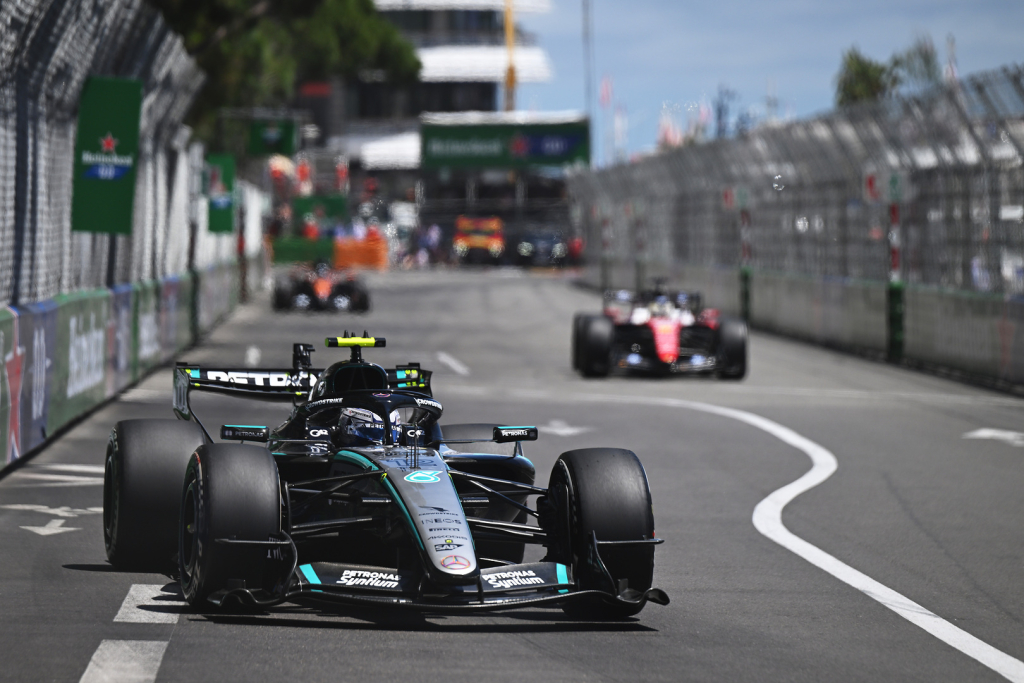 18:10 Monako GP kvalifikacijoje K. Antonelli pranoko Verstappeną bei „Ferrari“
(30)
18:10 Monako GP kvalifikacijoje K. Antonelli pranoko Verstappeną bei „Ferrari“
(30)
-
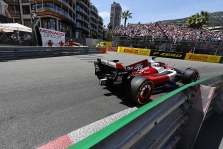 16:30 Monako GP: kvalifikacija (tiesiogiai)
(18)
16:30 Monako GP: kvalifikacija (tiesiogiai)
(18)
-
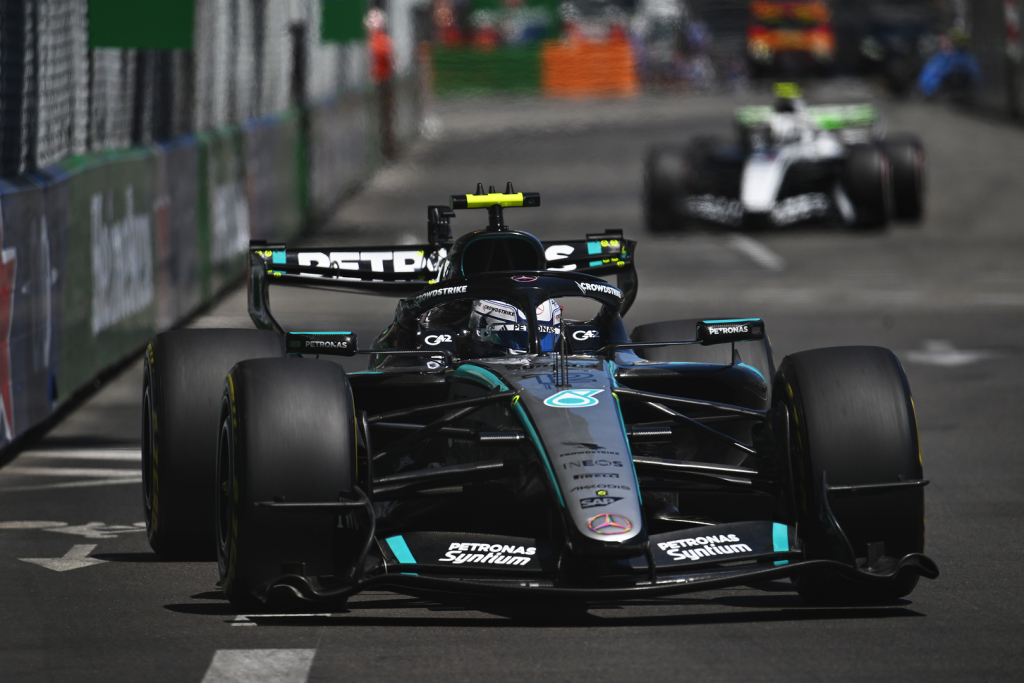 14:30 Šeštadienio Monako treniruotėje – K. Antonelli paraiška prieš „Ferrari“ lenktynininkus
(4)
14:30 Šeštadienio Monako treniruotėje – K. Antonelli paraiška prieš „Ferrari“ lenktynininkus
(4)
-
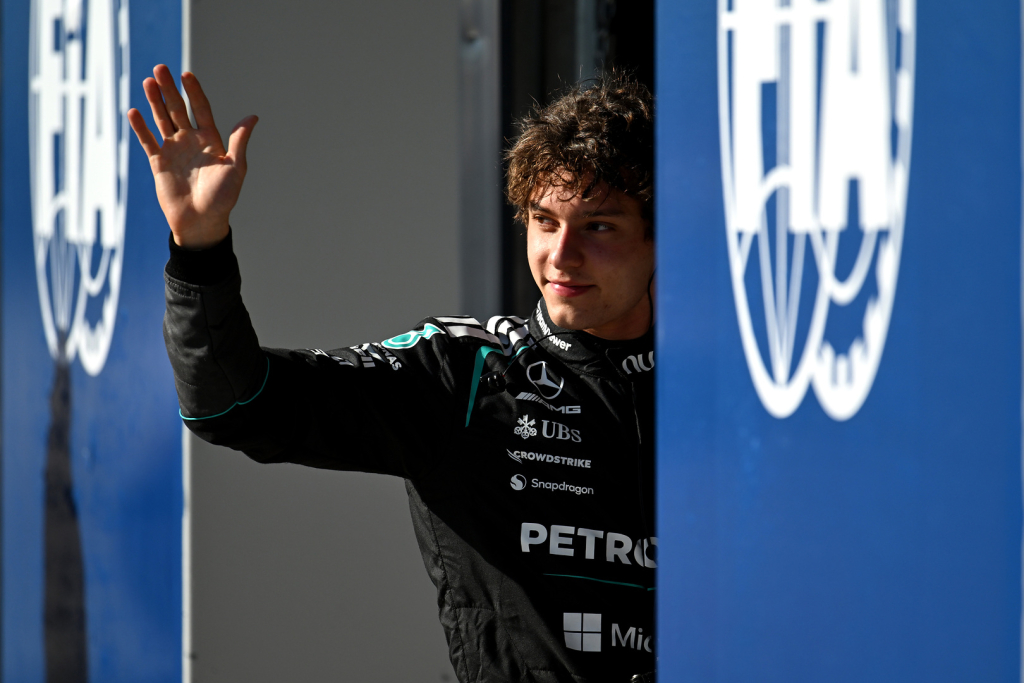 18:21 Verstappeną įspūdingai aplenkęs Antonelli: „Tai buvo vienas iš tų ratų, kuriuos vadiname stebuklingais“
(18)
18:21 Verstappeną įspūdingai aplenkęs Antonelli: „Tai buvo vienas iš tų ratų, kuriuos vadiname stebuklingais“
(18)
-
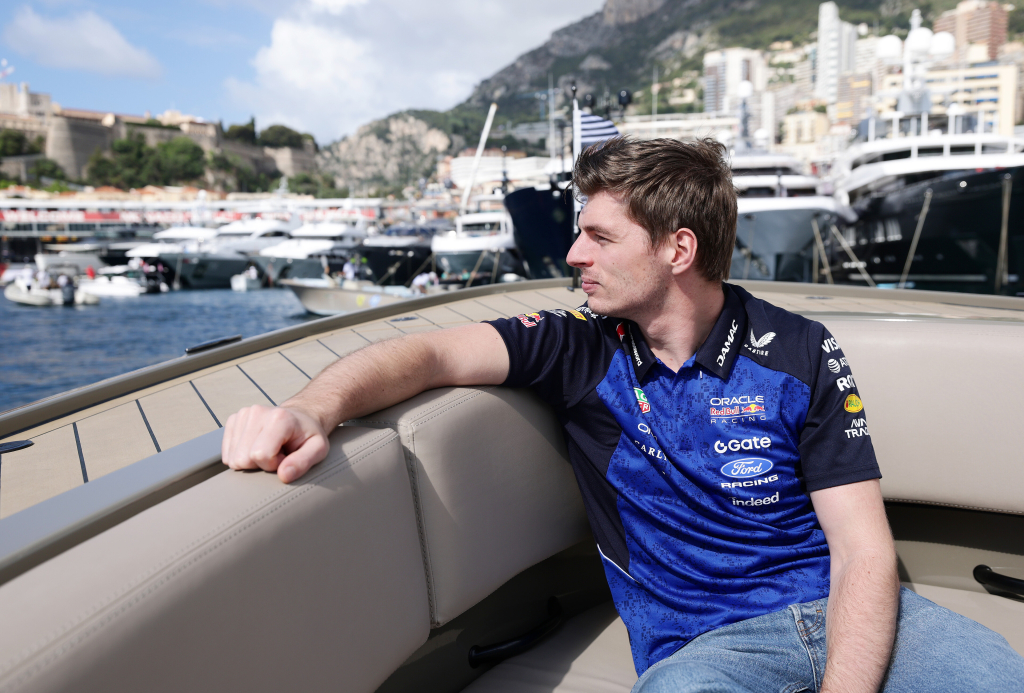 15:45 „Formulės-1“ užkulisiuose – abejonė dėl M. Verstappeno ateities „Red Bull“
(10)
15:45 „Formulės-1“ užkulisiuose – abejonė dėl M. Verstappeno ateities „Red Bull“
(10)
-
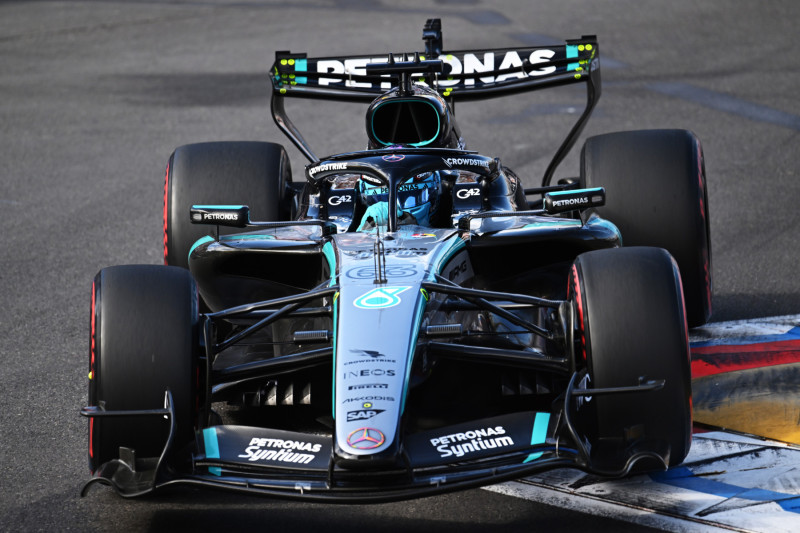
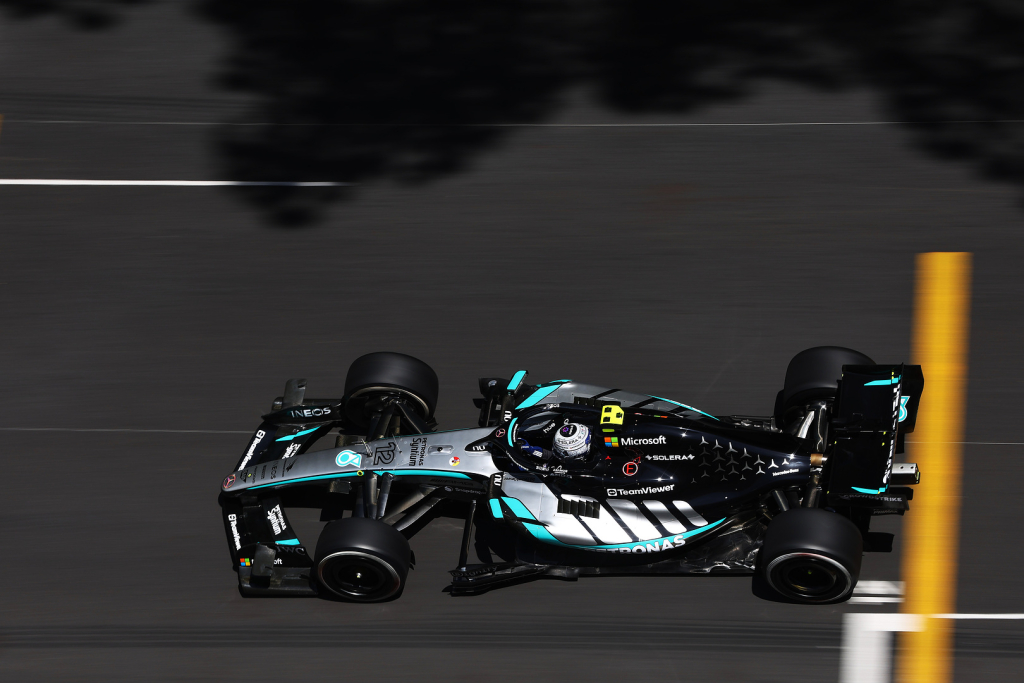 10:18 „Mercedes“ gavo 200 eurų baudą
(8)
10:18 „Mercedes“ gavo 200 eurų baudą
(8)
-
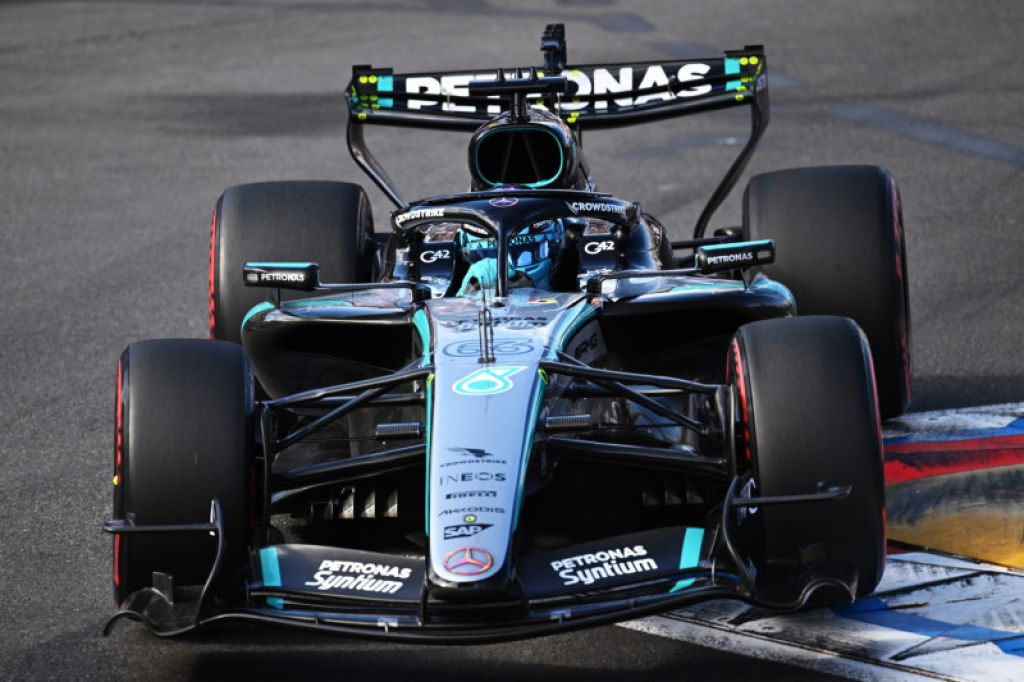 21:15 Problemą po kvalifikacijos atskleidęs Russellas: „Jaučiuosi šiek tiek sutrikęs“
(6)
21:15 Problemą po kvalifikacijos atskleidęs Russellas: „Jaučiuosi šiek tiek sutrikęs“
(6)
-
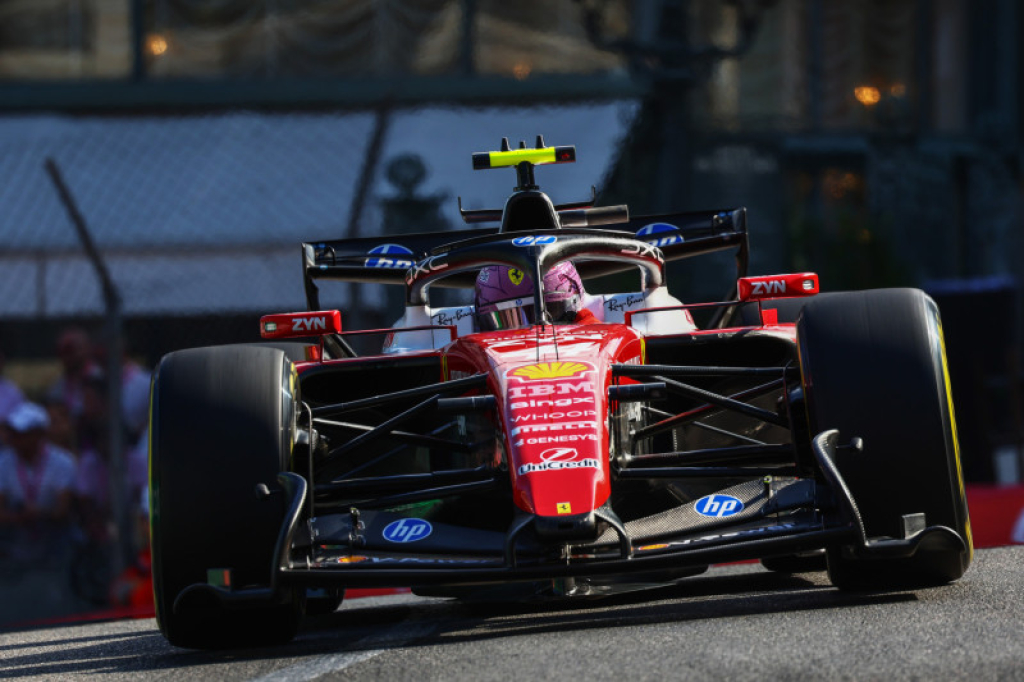 20:15 Kvalifikaciją įvertinęs Hamiltonas: „Puiku matyti, kaip arti vienas kito yra visi bolidai“
(2)
20:15 Kvalifikaciją įvertinęs Hamiltonas: „Puiku matyti, kaip arti vienas kito yra visi bolidai“
(2)
-
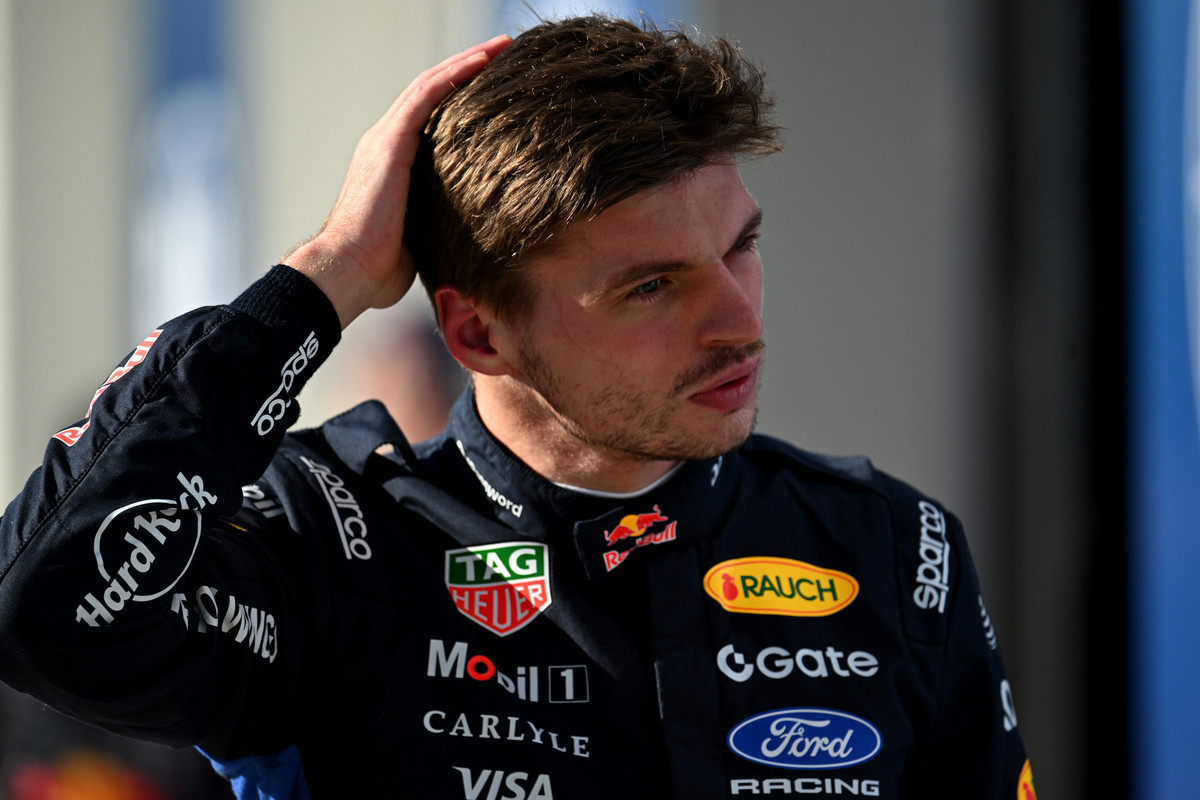
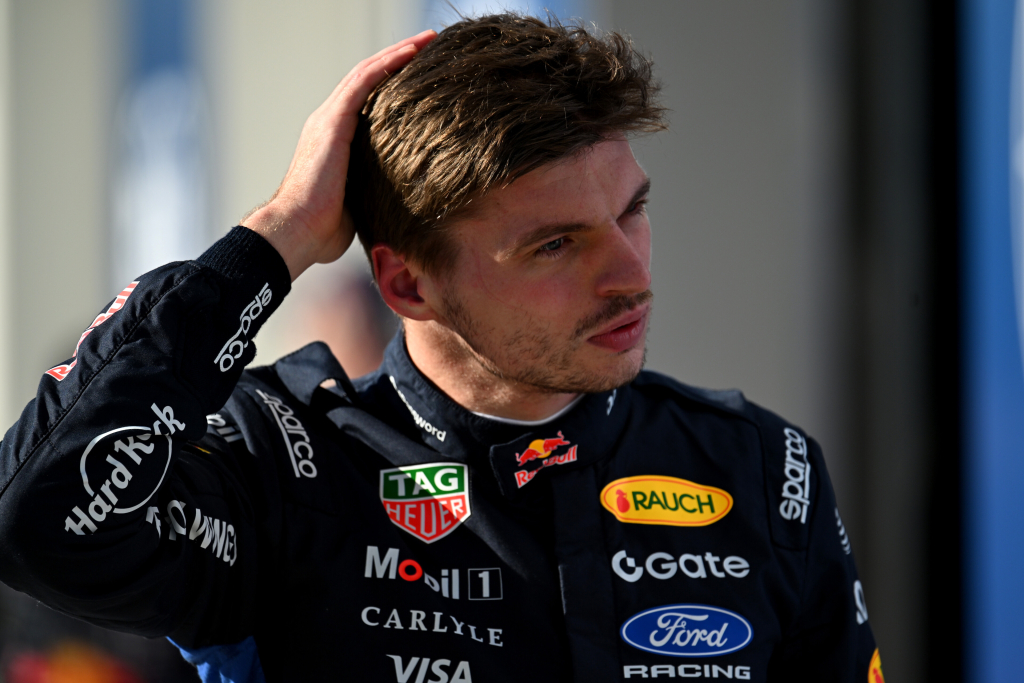 19:20 Apmaudžiai kvalifikaciją pralaimėjęs Verstappenas: „Ryte turėjome nemažai sunkumų“
(5)
19:20 Apmaudžiai kvalifikaciją pralaimėjęs Verstappenas: „Ryte turėjome nemažai sunkumų“
(5)
-
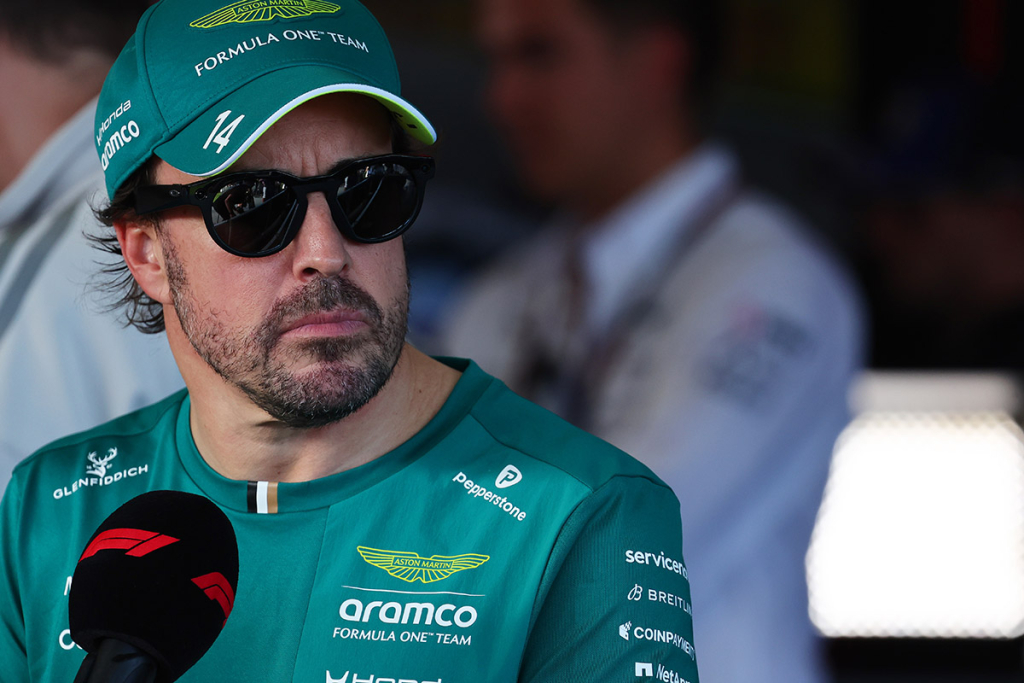 09:51 F. Alonso: ši mašinų karta yra prasčiausia
(4)
09:51 F. Alonso: ši mašinų karta yra prasčiausia
(4)
-
12:00 Monako GP: važiavimų tvarkaraštis
(4)
-
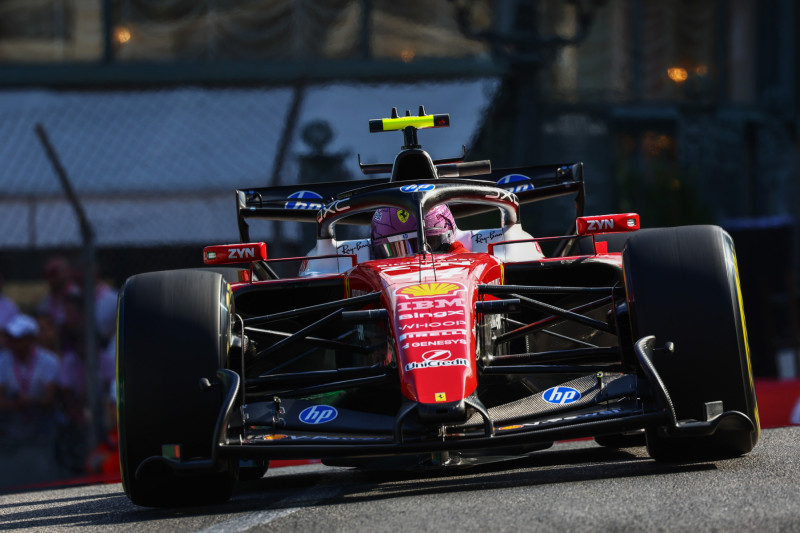
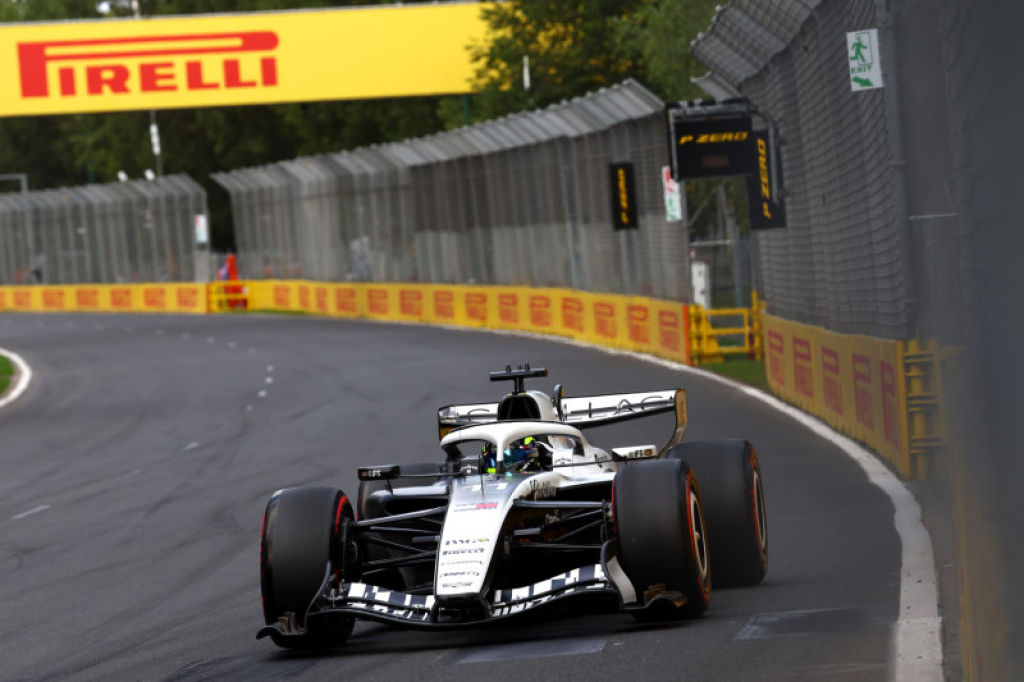 18:54 „Ferrari“ pratęsė dominavimą Monake, o antra treniruotė pasibaigė užsidegusiu Perezo bolidu
(9)
18:54 „Ferrari“ pratęsė dominavimą Monake, o antra treniruotė pasibaigė užsidegusiu Perezo bolidu
(9)
-
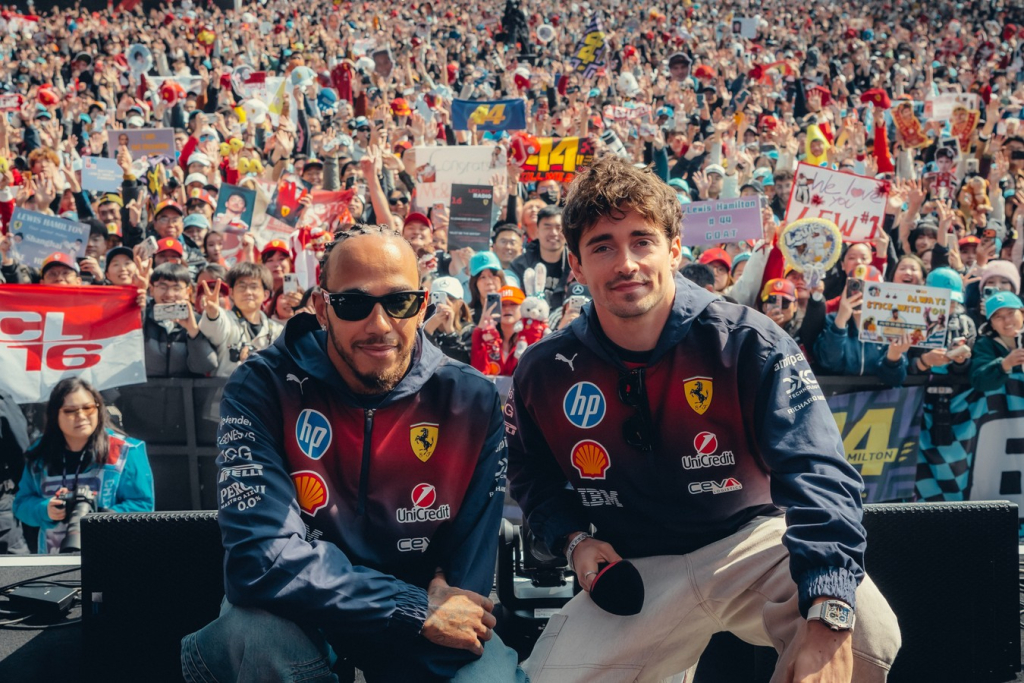 10:00 Aiškios „Ferrari“ ambicijos – su C. Leclerco nauja alga buvo perkopta „magiška suma“
(24)
10:00 Aiškios „Ferrari“ ambicijos – su C. Leclerco nauja alga buvo perkopta „magiška suma“
(24)
-
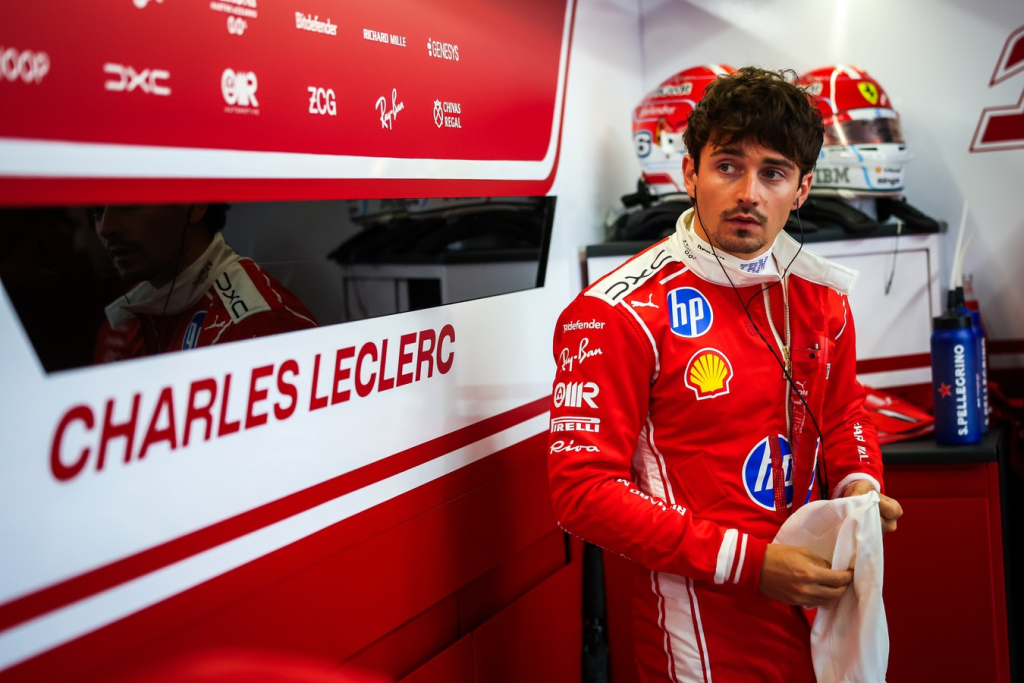 10:35 Oficialu: C. Leclercas pasirašė naują ilgalaikį kontraktą su „Ferrari“
(31)
10:35 Oficialu: C. Leclercas pasirašė naują ilgalaikį kontraktą su „Ferrari“
(31)
-
18:10 Monako GP kvalifikacijoje K. Antonelli pranoko Verstappeną bei „Ferrari“
(30)
-
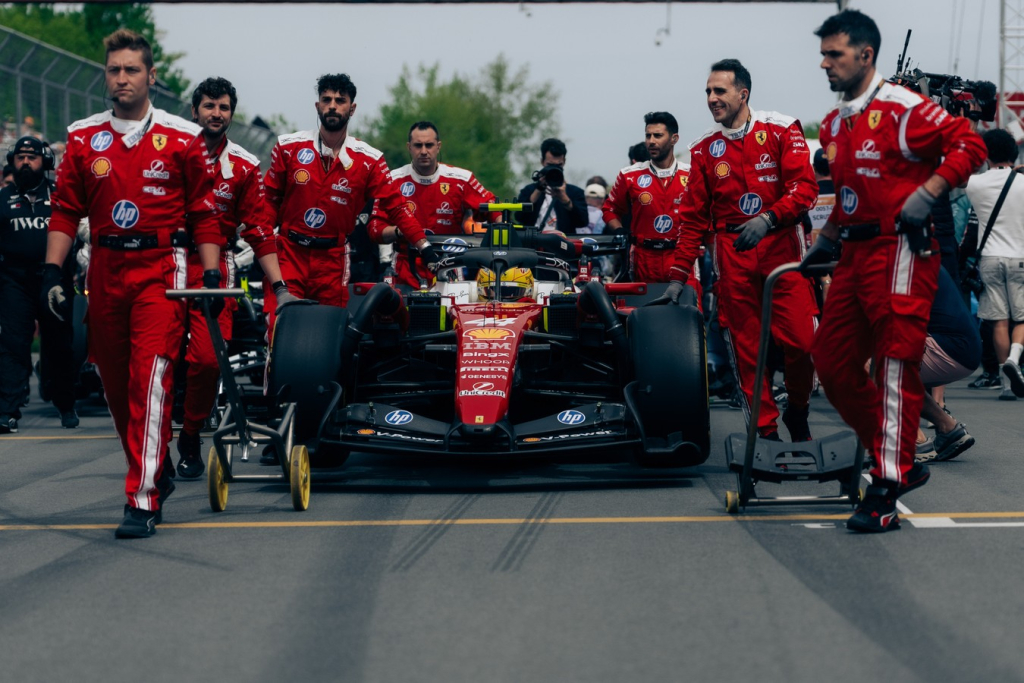 15:31 „Ferrari“ – greičiausi pirmoje Monako treniruotėje
(7)
15:31 „Ferrari“ – greičiausi pirmoje Monako treniruotėje
(7)
-
 08:00 Monako GP: orų prognozė
(4)
08:00 Monako GP: orų prognozė
(4)
-
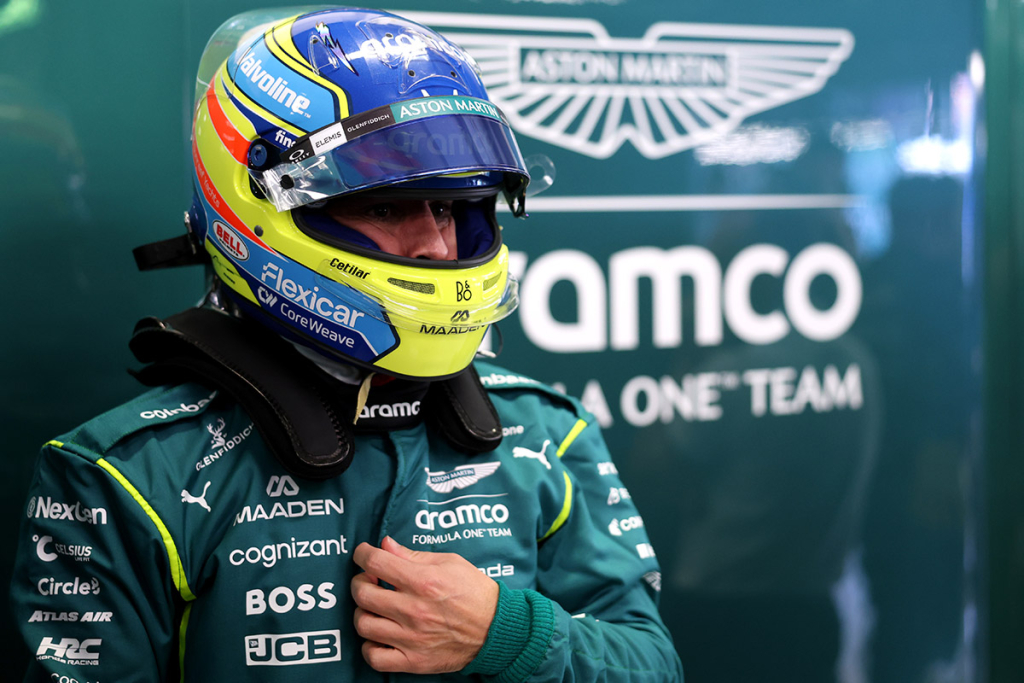 20:49 F. Alonso smogė dabartinei F-1: praradome daugiau nei 10 metų
(16)
20:49 F. Alonso smogė dabartinei F-1: praradome daugiau nei 10 metų
(16)
-
17:14 C. Leclercas paaiškino, kodėl smarkiai nusileido L. Hamiltonui Kanados GP
(12)
-
16:30 Monako GP: kvalifikacija (tiesiogiai)
(18)
-
 08:00 Kanados GP: važiavimų tvarkaraštis
(2)
08:00 Kanados GP: važiavimų tvarkaraštis
(2)
-
12:00 Monako GP: važiavimų tvarkaraštis
(4)
-
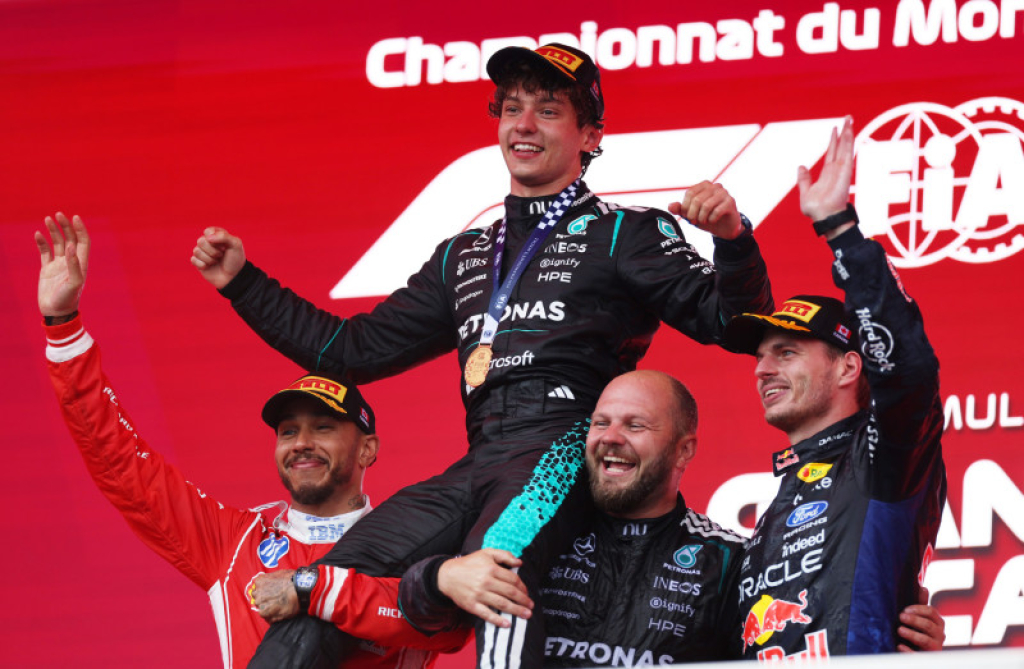 00:35 Kanados GP triumfavo G. Russellu po gedimo atsikratęs K. Antonelli
(68)
00:35 Kanados GP triumfavo G. Russellu po gedimo atsikratęs K. Antonelli
(68)
-
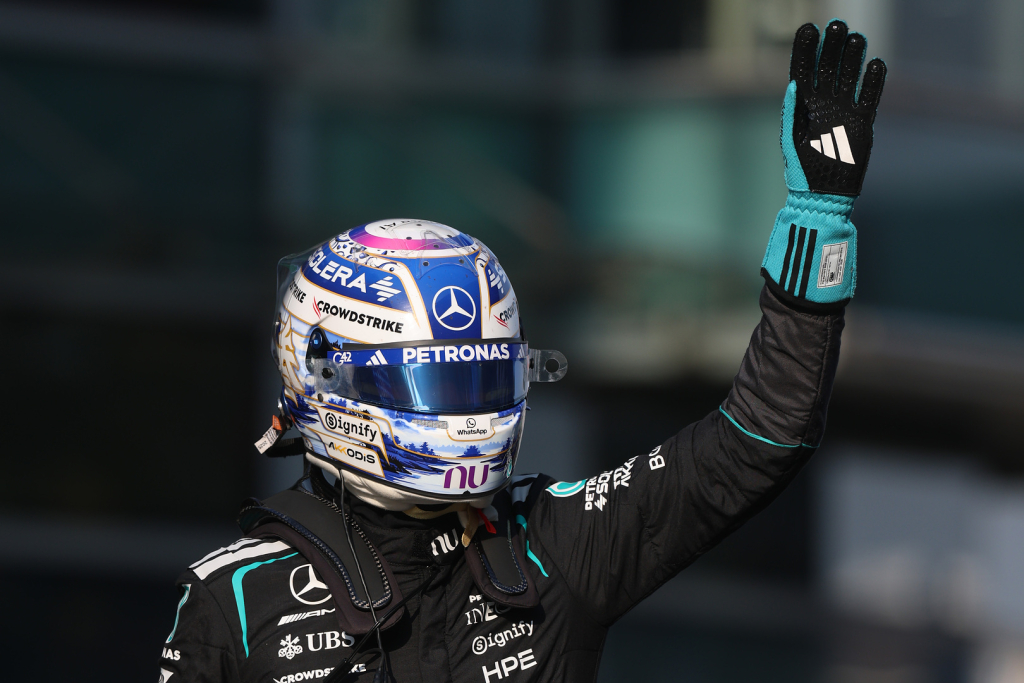 23:58 Kanadoje iš „pole“ startuos G. Russellas
(26)
23:58 Kanadoje iš „pole“ startuos G. Russellas
(26)
-
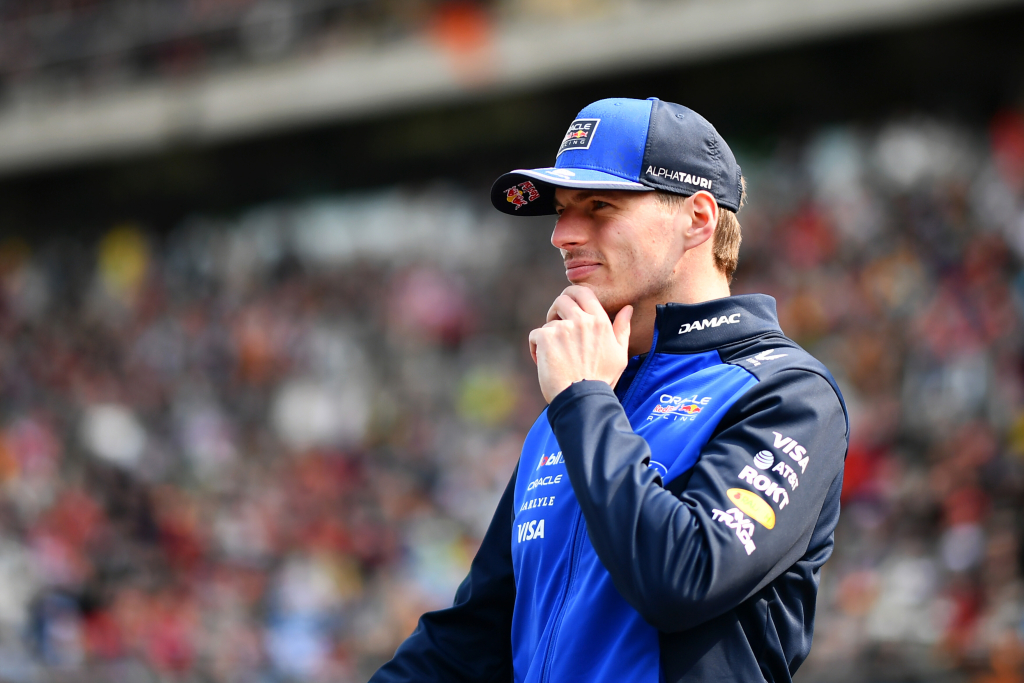 00:00 F-1 sirgalius sužavėjo M. Verstappeno ir L. Hamiltono pokalbis
(11)
00:00 F-1 sirgalius sužavėjo M. Verstappeno ir L. Hamiltono pokalbis
(11)
-
 22:30 Kanados GP: lenktynės (tiesiogiai)
(17)
22:30 Kanados GP: lenktynės (tiesiogiai)
(17)
-
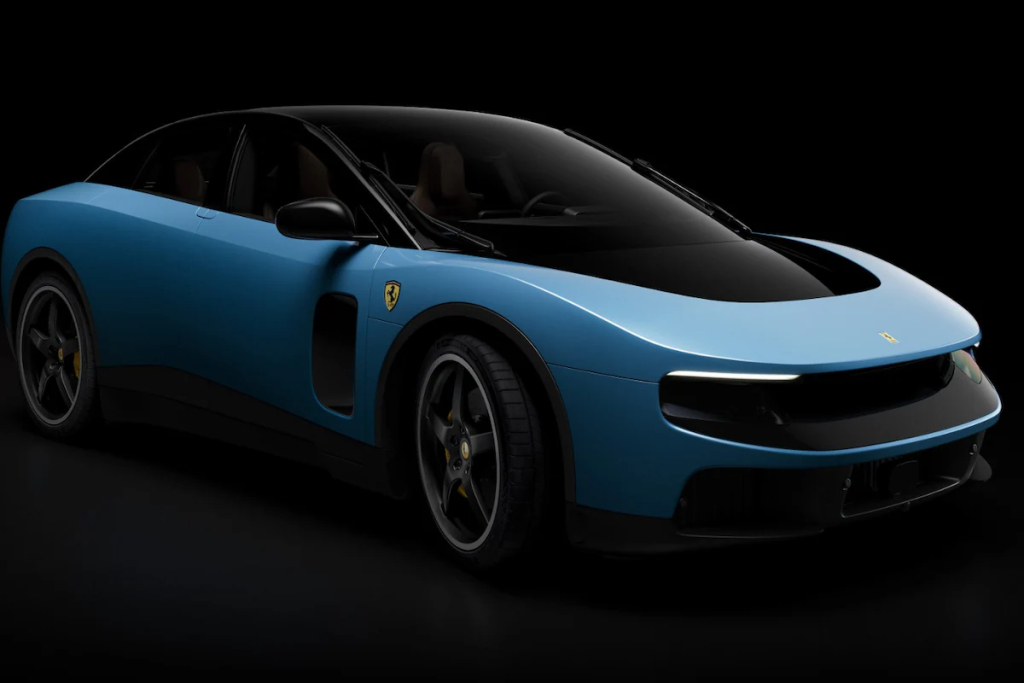 12:40 „Ferrari“ pristatė savo pirmąjį visiškai elektrinį automobilį
(31)
12:40 „Ferrari“ pristatė savo pirmąjį visiškai elektrinį automobilį
(31)
-
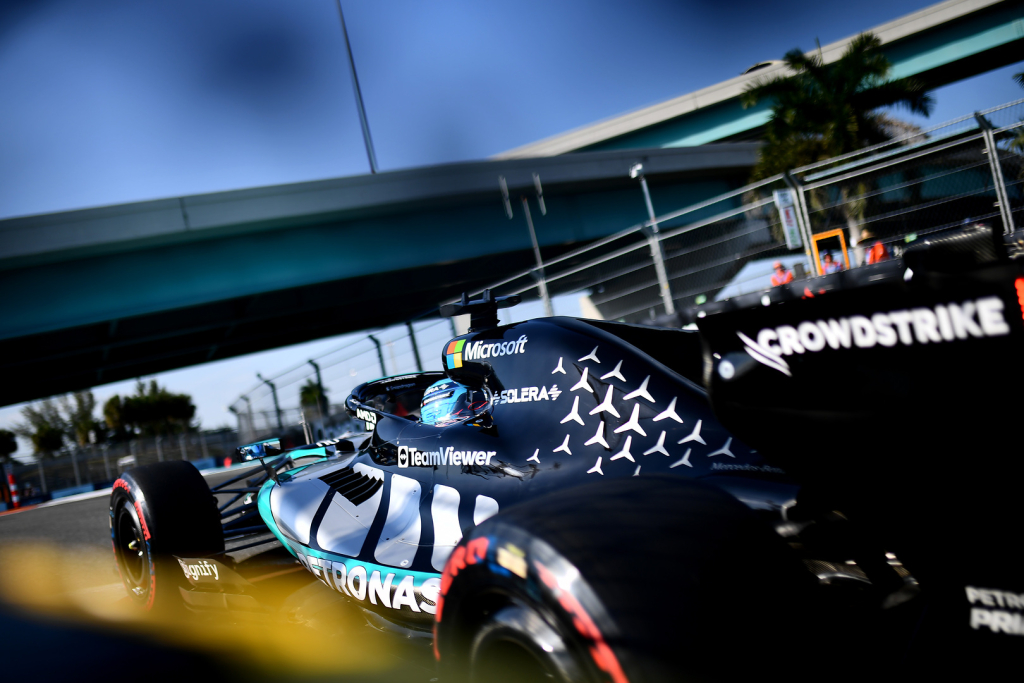 00:32 Kanados GP sprinto kvalifikacijoje pirmą startinę eilę iškovojo „Mercedes“ su Russellu priešakyje
(5)
00:32 Kanados GP sprinto kvalifikacijoje pirmą startinę eilę iškovojo „Mercedes“ su Russellu priešakyje
(5)
-
18:54 „Ferrari“ pratęsė dominavimą Monake, o antra treniruotė pasibaigė užsidegusiu Perezo bolidu
(9)
-
 17:07 FIA uždraudė aktyvią aerodinamiką Monake: kas iš to laimės?
(5)
17:07 FIA uždraudė aktyvią aerodinamiką Monake: kas iš to laimės?
(5)
F-1.lt pulsas
Populiarios paieškos
Rekomenduojama
Telefonų numeriai
Automobilio taršos mokesčio skaičiuoklė
Automobilių skaičiuoklės
Kuro kainos
F-1 esportas
F-1 komandos
F-1 pilotai
F-1 trasos
Skaičiuotuvas
Transporto priemonės taršos mokesčio skaičiuoklė
Kelių eismo taisyklės