

Sveiki,
atradau mano manymu idomia medziaga. Noreciau pasidalinti.
-
Sir Frank Williams has been the driving force in Formula 1 for the past 25 years - and for most of that time he has been paralysed. As the British Grand Prix begins, why is he talking of retirement? Interview by David Thomas, “Telegraph”
Sir Frank Williams is famous for the ruthlessness with which he replaces his racing drivers. Today's British Grand Prix at Silverstone marks the 25th anniversary of the Williams Formula 1 team's first victory. The driver in 1979 was Clay Regazzoni. At the end of that season, Regazzoni was swapped for another driver, Carlos Reutemann. In 1996, Damon Hill became world champion, driving a Williams. His reward was to be fired, amid howls of outrage from British fans. But now Williams is going one stage further. He is preparing to sack himself.
"There are definitely people availa*** who'll do a much better job for the company than I can," he says in his thin, rasping and refined English accent. "That's without question. I'm looking for someone to take my place. I've got to. It's common sense.
"It could be one day, one year, two years, I don't know. But my time is coming. Sooner rather than later, within five years, I'll kick myself upstairs. Hopefully I'll be clever enough to recognise the right time, and the right person, to take over."
The very thought that Williams, one of the great powers of Formula 1, is even thinking about stepping aside will send shock waves down the pit lane. But more than once in our interview he insists that he is completely serious. And he's brutally honest about the reasons why, which begin with the effects of his infirmity, after the car crash in 1986 that left him paralysed from the neck down.
"I never get into work much before 11am because it takes forever to get me up. I leave about 8.15 in the evening. But then I don't get that much done. I can't write. I can dial some of my numbers with my knuckles, but often I f--- it up - excuse the language. It just takes me twice as long to do things, so I come in at weekends to make up for it. Ron Dennis of McLaren once said, 'Frank must have lots of time for thinking.' Bollocks!"
Even more importantly, Williams isn't winning any more. The last of his team's nine constructor's championships came in 1997. Since then, Ferrari has won five championships in a row and is a certainty for a sixth. Of the 10 races this year, Ferrari's Michael Schumacher has won nine. Ferrari has 158 points in this year's constructor's championship, against just 37 for Williams.
This is not what Williams and his engine-supplying partners at BMW expect from the resources they devote to the team. "There are 500 people working here and maybe 300 at BMW," Williams says. "We spend about £90 million a year. BMW spends a bit more than that, but it's not for me to say exactly how much."
In other words, somewhere between £180 million and £200 million is going into Williams and every penny the team raises is spent on its cars: this is not a profit-making business. So why does Ferrari keep winning? "It comes from the people," says Williams, with unabashed admiration. "Ferrari has put together a superb organisation which has got the right people, in the right places. It is a magnificent sporting achievement, like Man United, only five times better. They're almost flawless, sadly for the rest of us. It's like an impregna*** castle.
"You could say the Ferrari boss Jean Todt does a better job than me and you'd be right," he adds candidly. "This is all a cycle of meshing wheels, and if we get ours to mesh better and faster than Ferrari, we'll beat them. That's what we're striving to do, and it's the same at McLaren or anywhere else."
As for Michael Schumacher, "He's a very special individual," Williams says. "It's his mental application that sets him apart. He sets standards. He pushes people. He inspires people."
So is Schumacher the best driver Williams has ever seen? "Ayrton Senna was just as quick, just as brave and probably more intelligent," Williams says. "I've always thought he could have become President of Brazil. He was a terribly clever guy. In any negotiation, you had to be good at chess because he had always prepared at least three moves and four counter-moves for every possibility. He had astonishing mental preparation."
Senna died driving for Williams during the San Marino Grand Prix in 1994. "I don't miss him that much," Williams says. "It's been 10 years and he's gone, so... "
So why waste time on what can't be retrieved? Williams is not a man given to undue nostalgia. When he goes to Silverstone today, he won't spend any time reminiscing about that first victory. "Looking backwards doesn't help going forwards."
This is the steely Frank Williams I am expecting to meet when I walk into his office, a few miles south-west of Oxford. The headquarters cover several acres of brick office buildings and pristine factory workshops. The raison d'etre of the complex is revealed when one walks into a mar***-floored atrium and sees in the middle - standing like a glamorous work of sculpture - a gleaming Williams Formula 1 car.
Williams' very survival has been a matter of grim determination. He simply cannot afford to wallow in self-pity or wonder what might have been. In a few brusque words he dismisses any discussion of his crash, which happened on the way back from the Paul Ricard circuit in France, where he had been watching his cars being tested.
"I had an accident because it was inevita*** with the way I drove. It was very silly. But I'd rather not talk about all that. It's not really relevant. It doesn't affect my outlook on Formula 1. Motor racing is my job. I like it very much and I think it's a privilege. I'm very fortunate that my life's worked out this way."
The slightest suggestion that our conversation might stray into territory that demands introspection stirs similar discomfort. "Don't make it too personal," he asks, as if unaware that "personal" is the reason I'm there. "Keep it fairly neutral, won't you?"
It is as if Williams wants to be as impervious as the drivers I suspect he hero-worships, however pragmatic he might be when it comes to disposing of them. "Drivers are very hard men," he says. "They're tough characters, tough on themselves and tough on those around them."
Nigel Mansell, another Williams driver, was no exception. "Just his presence shouted, 'I'm here!' " says Williams. "Some of our meetings could be pretty uncomforta***, because Nigel knew what he wanted and he was blunt in what he wanted. But he always delivered."
Williams is determined to be a tough cookie, too. And yet, what becomes apparent within seconds of meeting him is that he is far less stony than he likes to pretend. The first thing that strikes me is not the sight of his shrunken frame confined to his wheelchair, nor even the paper cup, perched on its little plinth, from which he drinks with a straw. No, what surprises me is his smile.
As we say hello, Williams' thin, drawn face, beneath his balding pate, breaks into a grin that is charmingly, disarmingly boyish. Williams, who is 62, smiles a lot during our conversation. He pays tribute to those he loves and admires with a surprising passion, even if it is expressed in the language of a 1950s prep-school pupil. Of his one-time employee, the young British driver Jenson Button, Williams enthuses, "Jenson is famous, he's wealthy and he's got years to go, bless him. But he's never forgotten his dad. He's never forgotten his school friends. I've got Jenson down for a real gent."
Then, of course, there is Williams' old sparring partner, Bernie Ecclestone, the ruler of Formula 1. As Williams puts it, "About 50 weeks of the year, I adore Bernie, and for the other two I positively hate him. And I've told him that."
Williams' first great ally was the brewery heir and Grand Prix driver Piers Courage. Obsessed by motor racing since his early teens, Williams briefly tried to make it as a driver. But, lacking the money needed to compete, he went into business instead, selling second-hand racing cars and spare parts. He soon became successful enough to to fund his own teams. His first F1 car was driven by Courage. But their partnership was brutally curtailed when, 24 years before Senna's death, Courage was killed in the 1970 Dutch Grand Prix.
"It took me quite a while to get over that," says Williams. "It moved me enormously because I was very close to Piers. He was just adored by everybody. A lot of famous people turned up to his funeral and didn't conduct themselves the way they would like to have conducted themselves. And these were hard men, too."
"How do you mean 'didn't conduct themselves'?" I ask.
"They were very emotional. Surprisingly so."
So what is at the bottom of all this stiff-upper-lip business? Williams was born in 1942. His father walked out on his mother shortly before his birth. "I didn't meet my father until I was about 14 and being very difficult at school," he says. "My mother sent him to sort me out. I've seen him a few times in my life, but not for long. But I don't want to talk about my private life."
The carapace that has presumably helped Frank Williams cope with physical adversity was formed to protect him from emotional pain. "That's just how I am, how I thought about it at school, I guess," he says, when I press him on the barriers he places around his feelings. "I would imagine it was the way I was brought up. The way I brought myself up. My mum... you know.
"I went to prep school at eight. But I was sent away to a convent for a couple of years when I was four. I don't know much about this, but I think my mother went off to live with another bloke and I went to live with my grandparents, and then my uncle and aunt for quite a while when I was very young. But it's all hazy stuff."
"So you were forced to be self-reliant," I suggest, "to depend on your resources."
Williams lets out a brief laugh. "I never thought of it that way at the time. I just thought I didn't have as much pocket money as my school mates did."
Pocket money certainly isn't a problem now. Williams' personal wealth is estimated at £76 million, although, unusually for an industry associated with lavish excess, he has a reputation for frugality. Every single penny generated by Williams F1 is spent on making its cars go faster. This explains why Williams has never sought a stock-market listing: "We could never be a public company," he tells me, "because the shareholders would always want profits and we would never win races if we were geared to the proviso that we must make profits."
Having come from such a fragmented home himself, Williams has done his best to keep his own family intact. He and his wife, Ginny, have three children: Johnny, 29, Claire, 28, and Jamie, 21. "I've got a fantastic wife who does everything, and I just come and go as I please," he says. "We've been married 30 years this year. We've been together more than half my life."
It hasn't all been easy driving. His accident, not surprisingly, put pressure on his marriage. "We were a little bit apart in those days, because that's what tends to happen after an injury. There's all the fuss and attention, blah blah blah. And then when you all come back to earth and you go back home and all that stuff, you think, 'Oh shit.' Well, my wife does. I'm too busy with my own problems. You tend to keep yourself to yourself. That's what I did, anyway. Then gradually, it all comes back, bit by bit. Anyway, 30 years . . . "
Ginny's reaction was to write a book in 1991 about the aftermath of the crash, called A Different Kind of Life. "I didn't approve of that one little bit," rasps Williams. "It's private."
His two elder children both work at Williams. "Johnny is obsessed by racing, too. Claire works as a junior in the press office. She is a hard piece of work, a good girl, she's tough. I emphatically told my PR, Liam, 'I don't want her.' And he said, 'But she's the best candidate.' I said, 'OK. But just keep me out of it.' I'm sensitive to charges of nepotism."
I never saw a man try harder to pretend he's being dispassionate about a child he so clearly adores. I decide to give Williams a break and end on the subject he's happiest discussing: motor racing. I ask him about the parade of Grand Prix cars down Regent Street last week. "It was clearly a precursor to a serious attempt to place a Grand Prix in London," says Williams, who thinks the odds are against it happening. "It's not just down to Mr Livingstone. He is a doer. But there will be entrenched resistance, because it will disturb quite a few people. You can hear the noise of racing cars when you're about five miles away."
For his own part, he would be "unhappy if the London race were at the expense of Silverstone, which it probably would be. I'm still very fond of Silverstone, but its future depends entirely on Bernie."
By now, I'm beginning to wonder whether Williams is really as ready to quit as he claims. When I ask if he still enjoys race day he grins and says, "Oh yes! Absolutely. Sure. Right now we're in a real dogfight, trying to get back to the top, and when you think about it, it's just fascinating. What a challenge!
"If we get round to beating Ferrari regularly, that will be a major achievement. If you took the championship away from them, you'd go to bed that night feeling pretty pleased with yourself."
You would indeed. And if you were Frank Williams, I suspect you'd still want to be in charge when it happened.
F.Williamso interviu [anglu k.]
Viki>Kur tu? :)
Vau!!!! Ilgas straipsnis bet labai įdomus. Daug naujo sužinojau apie Franką. Tiesą sakant iki tol beveik nieko apie jį ir nežinojau. Apie avariją o tuolabiau apie sunkią vaikystę. Nieko keista kad jis nenori apie tai kalbėti!
AF1>>>Ačiū tau
AF1>>> noreciau ir as padekoti, bet dar neperskaiciau ir tuo labiau angliskai ne viska suprantu. O ka nebuvo kam isverst, ar per daug tai kainuoja ? :)
Zakis> laikas - brangiausias turtas ;)
aciu AF1, nemazai idomiu dalyku suzinojau :)
AF1 > :goodjob:
idomu kas gales ji pakeist?gal jo sunus kuris irgi pakvaises del f1..
Idomus interviu :)
AF1> :goodjob: uzpildei ziniu spragas apie Frenka
Ka gi,galima pakomentuoti tik tiek, kad nieko nera amzina. Gaila, bet pasitraukus Frenkui F-1 praras dalele sarmo. Netgi izvelgiu siokia tokia stagnacija - Head'as pasitrauyke i strategini posta, Moslis nori atsistatydinti, teliko tik desimt komandu, is kuriu viena abiem kojom sluba.. Visa tai kalba apie F-1 krize, kuri matyt ne uz kalnu. Gal ir gerai - buna pakilimai, buna nuosmukiai, o tai byloja apie tai, kad f-1 reiklaingi drastiski pokyciai. Ir jie neisvengiamai bus.
O del personos, galincios pakeisti pati Frenka.. Nezinau, bet jauciu kad gali buti labai idomus sprendimas. Tai gali buti net ir zmogus, apie autosporta beveik neturintis supratimo... Reikia sviezio kraujo ir tai faktas.
TOP naujienos
-
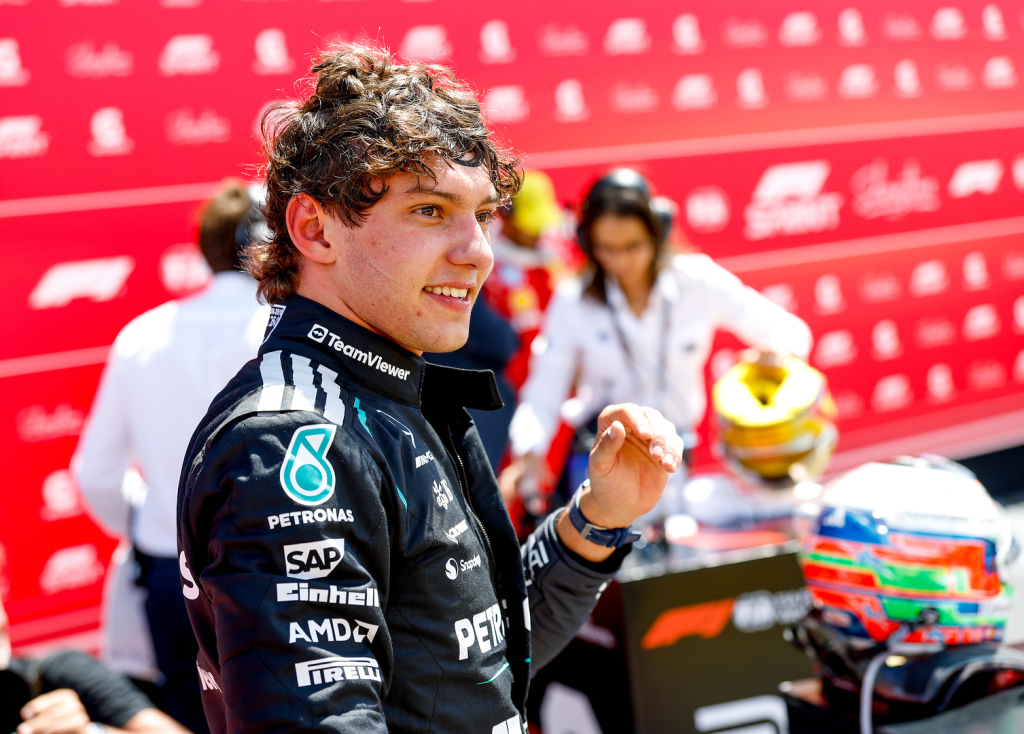 19:06 Antroje treniruotėje Belgijoje greičiausias buvo K. Antonelli
(3)
19:06 Antroje treniruotėje Belgijoje greičiausias buvo K. Antonelli
(3)
-
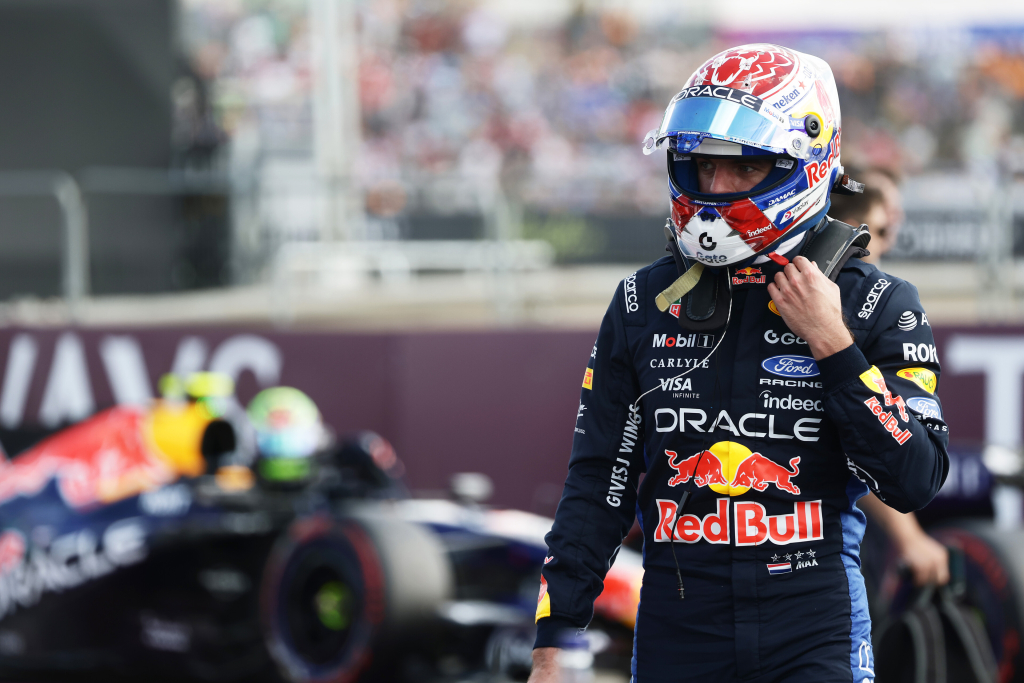 15:33 M. Verstappenas – greičiausias pirmojoje Belgijos GP treniruotėje
-
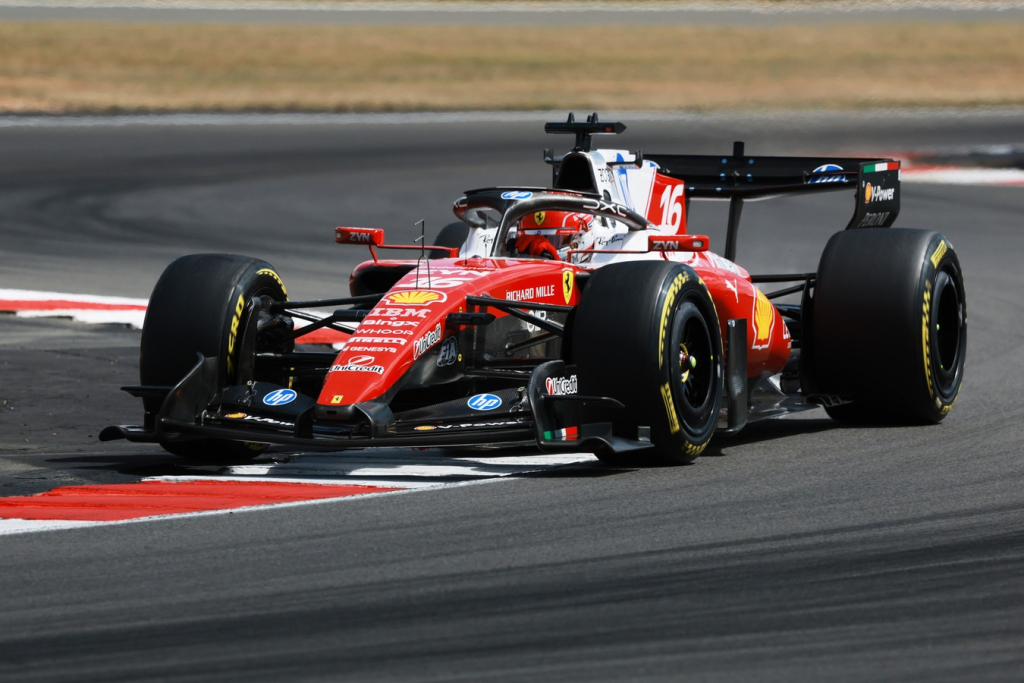 20:31 „Ferrari“ atsidūrė FIA tyrimo akiratyje dėl padangų taisyklių pažeidimo
(3)
20:31 „Ferrari“ atsidūrė FIA tyrimo akiratyje dėl padangų taisyklių pažeidimo
(3)
-
14:32 Paskutinėje treniruotėje Belgijoje greičiausias vėl buvo K. Antonelli
(4)
-
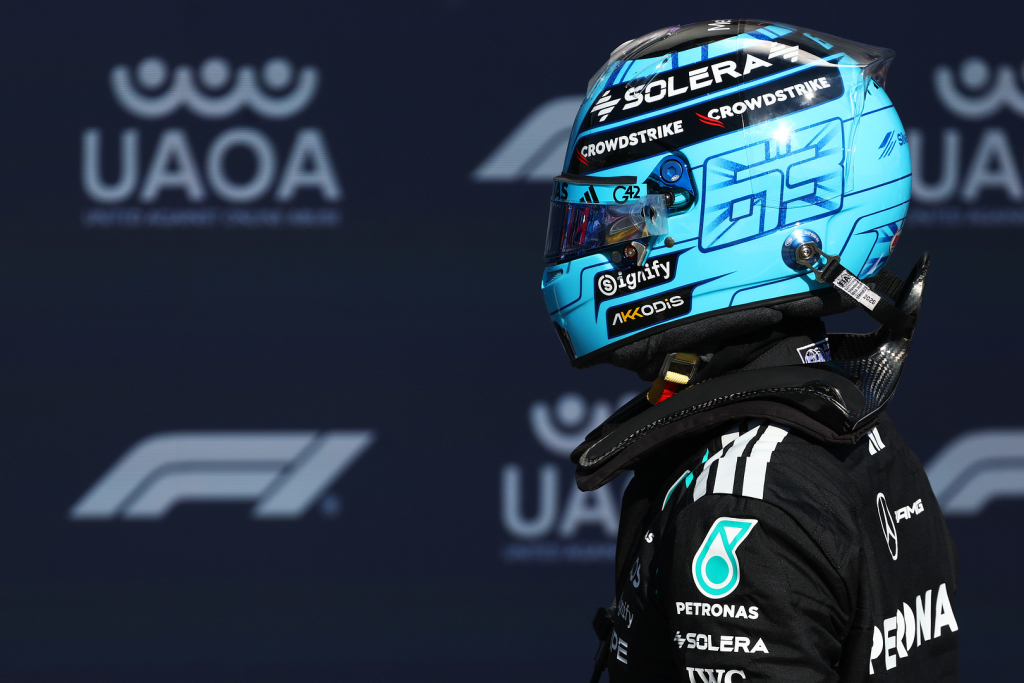 11:08 G. Russellas atvirai prabilo apie problemas: turiu iš naujo mokytis vairuoti
(1)
11:08 G. Russellas atvirai prabilo apie problemas: turiu iš naujo mokytis vairuoti
(1)
-
 20:33 FIA patvirtino: I. Hadjaras Belgijos GP lenktynes pradės iš rikiuotės galo
(3)
20:33 FIA patvirtino: I. Hadjaras Belgijos GP lenktynes pradės iš rikiuotės galo
(3)
-
 20:39 M. Brundle'as: Verstappenas greičiausiai liks „Red Bull“
(11)
20:39 M. Brundle'as: Verstappenas greičiausiai liks „Red Bull“
(11)
-
 12:47 M. Verstappenas negesina kalbų apie galimą išvykimą iš „Red Bull“
-
 20:36 C. Sainzui – FIA įspėjimas po incidento Belgijos GP treniruotėje
-
 12:42 L. Strollas: Vengrijoje paaiškės tikrasis „Aston Martin“ pajėgumas
-
 08:00 Belgijos GP: važiavimų tvarkaraštis
(3)
08:00 Belgijos GP: važiavimų tvarkaraštis
(3)
-
 18:30 Turtingiausių Lietuvos žmonių sąraše – kritusios R. Baciuškos tėčio akcijos bei pastovus G. Petraus turtas
(17)
18:30 Turtingiausių Lietuvos žmonių sąraše – kritusios R. Baciuškos tėčio akcijos bei pastovus G. Petraus turtas
(17)
-
 20:00 Kaip čempionato žvaigždė trukdo „Formulės-1“ komandų procesams
(10)
20:00 Kaip čempionato žvaigždė trukdo „Formulės-1“ komandų procesams
(10)
-
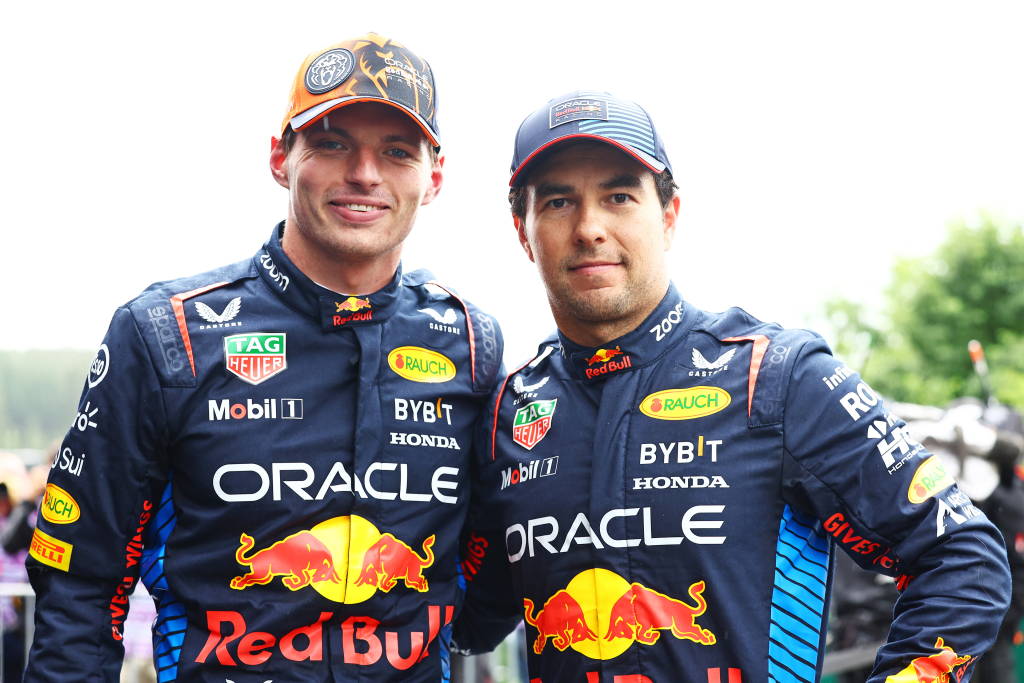 13:46 Atviras S. Perezas: būti Maxo komandos draugu „Red Bull“ komandoje yra blogiausias darbas „Formulėje-1“
(21)
13:46 Atviras S. Perezas: būti Maxo komandos draugu „Red Bull“ komandoje yra blogiausias darbas „Formulėje-1“
(21)
-
19:06 Antroje treniruotėje Belgijoje greičiausias buvo K. Antonelli
(3)
-
15:33 M. Verstappenas – greičiausias pirmojoje Belgijos GP treniruotėje
-
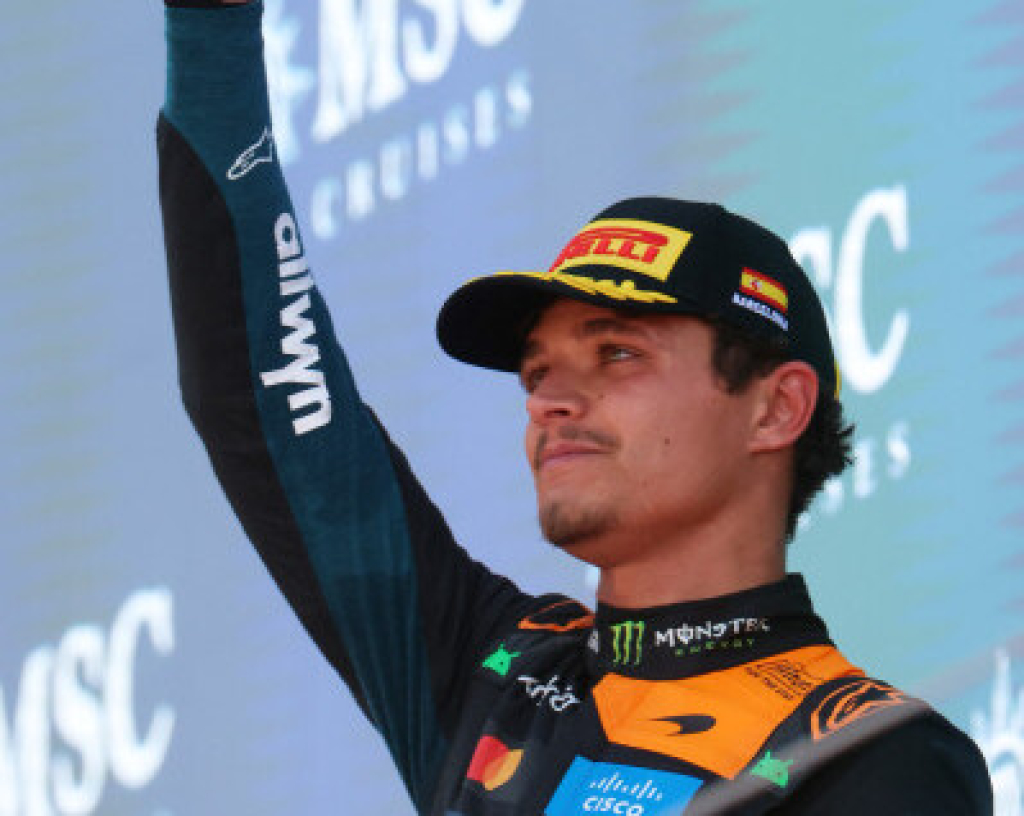 16:59 L. Norriso laukia 10 vietų starto bauda – aiški ir sprendimo priežastis
(2)
16:59 L. Norriso laukia 10 vietų starto bauda – aiški ir sprendimo priežastis
(2)
-
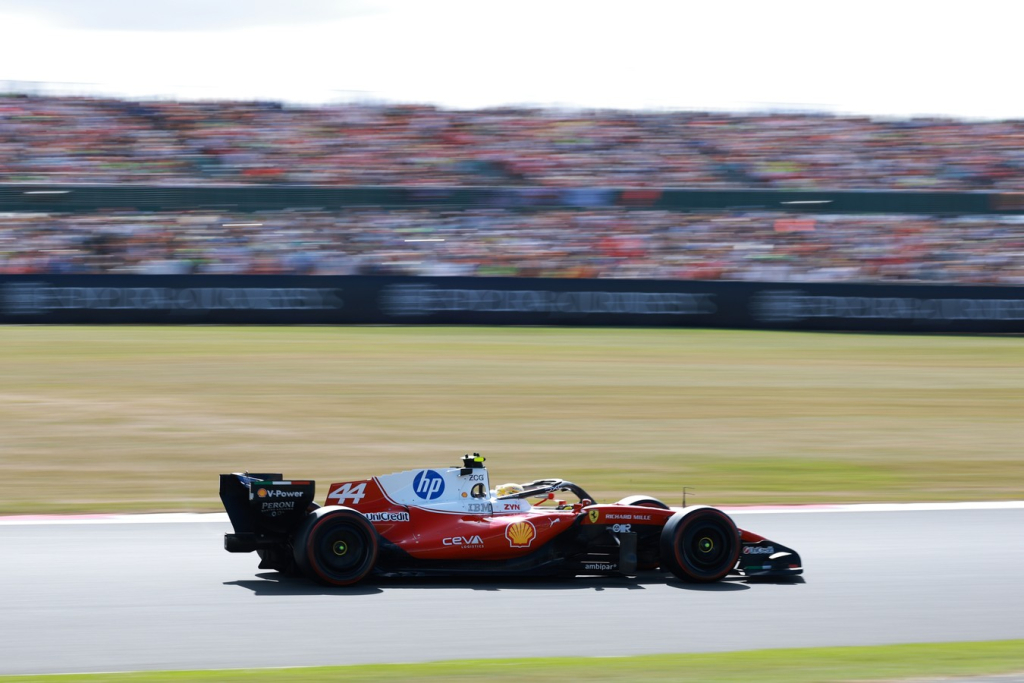 13:17 Aišku, kiek greičio „Ferrari“ ekipai pridės naujas galinio sparno atnaujinimas
(2)
13:17 Aišku, kiek greičio „Ferrari“ ekipai pridės naujas galinio sparno atnaujinimas
(2)
-
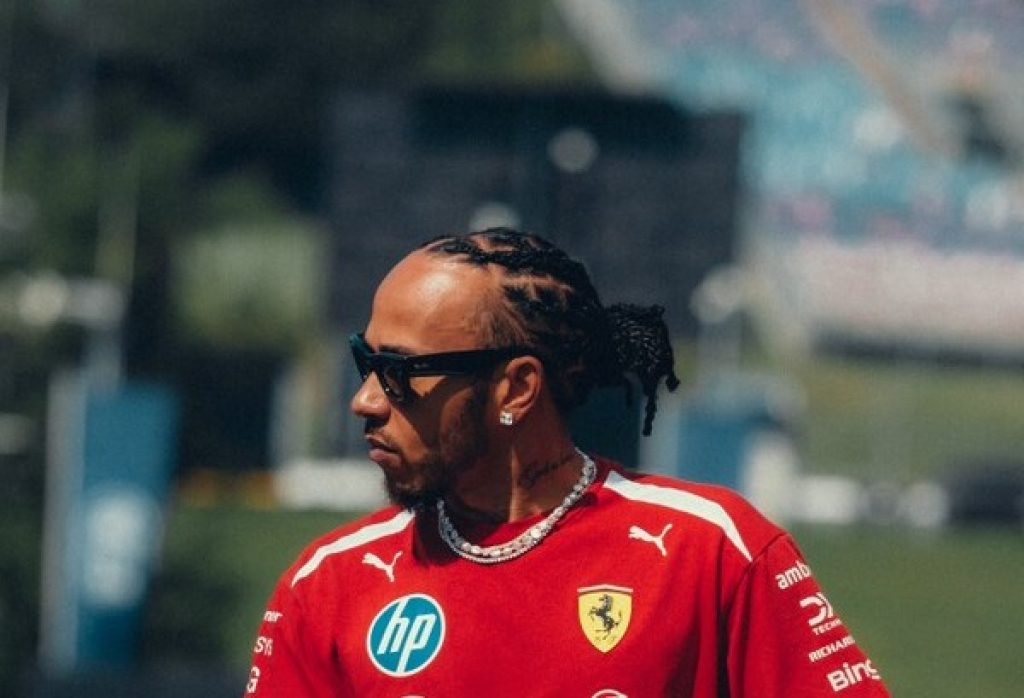 12:03 Dar vienas specialistas ragina „Ferrari“ viską statyti ant L. Hamiltono
(18)
12:03 Dar vienas specialistas ragina „Ferrari“ viską statyti ant L. Hamiltono
(18)
-
 15:16 D. Hillas griežtai sureagavo į F. Alonso žodžius: kokia nesąmonė
(4)
15:16 D. Hillas griežtai sureagavo į F. Alonso žodžius: kokia nesąmonė
(4)
-
 08:00 Didžiosios Britanijos GP: važiavimų tvarkaraštis
(1)
08:00 Didžiosios Britanijos GP: važiavimų tvarkaraštis
(1)
-
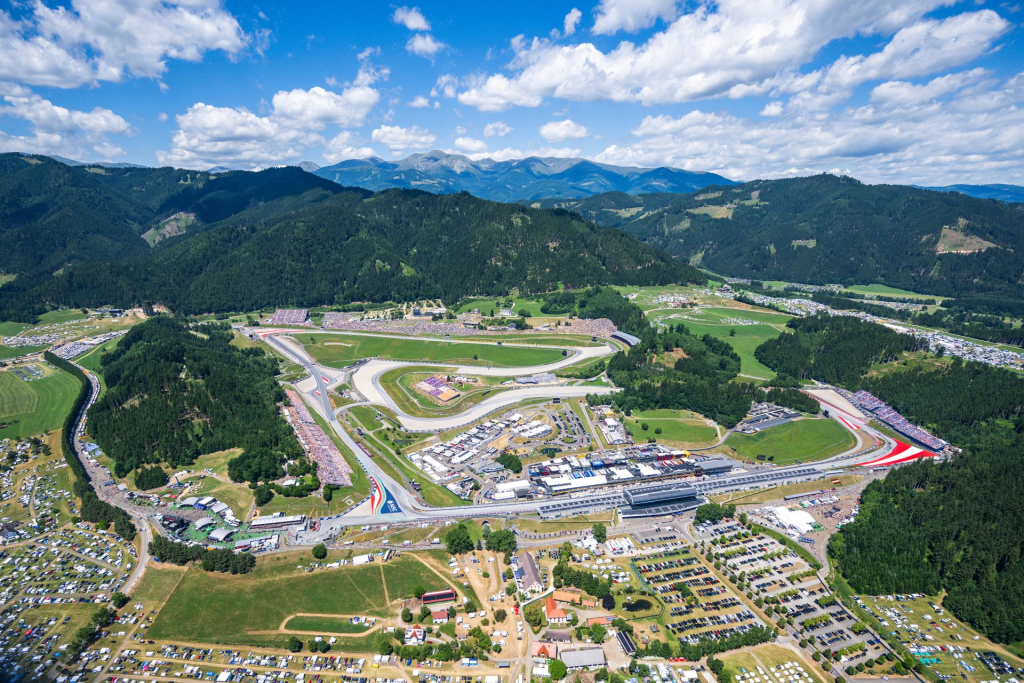 18:00 Austrijos GP: važiavimų tvarkaraštis
(4)
18:00 Austrijos GP: važiavimų tvarkaraštis
(4)
-
08:00 Belgijos GP: važiavimų tvarkaraštis
(3)
-
18:30 Lenktynės Silverstoune: K. Antonelli bolidas vėl sugedo, o pergalę netikėtai iškovojo C. Leclercas
(98)
-
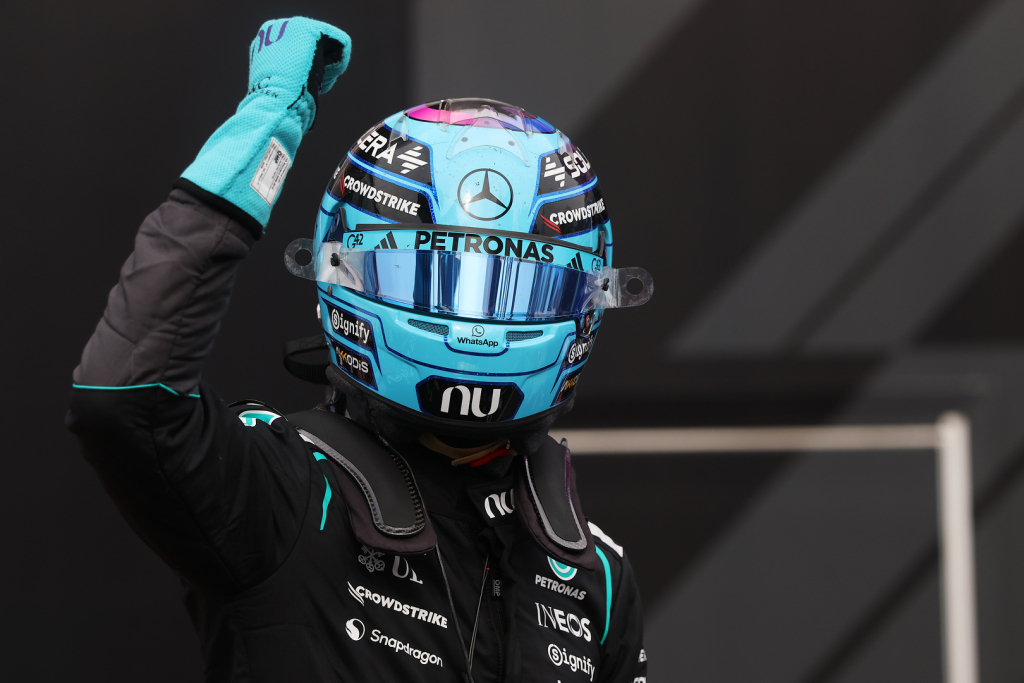 17:57 G. Russellas išvengė baudos ir Austrijoje startuos pirmas
(53)
17:57 G. Russellas išvengė baudos ir Austrijoje startuos pirmas
(53)
-
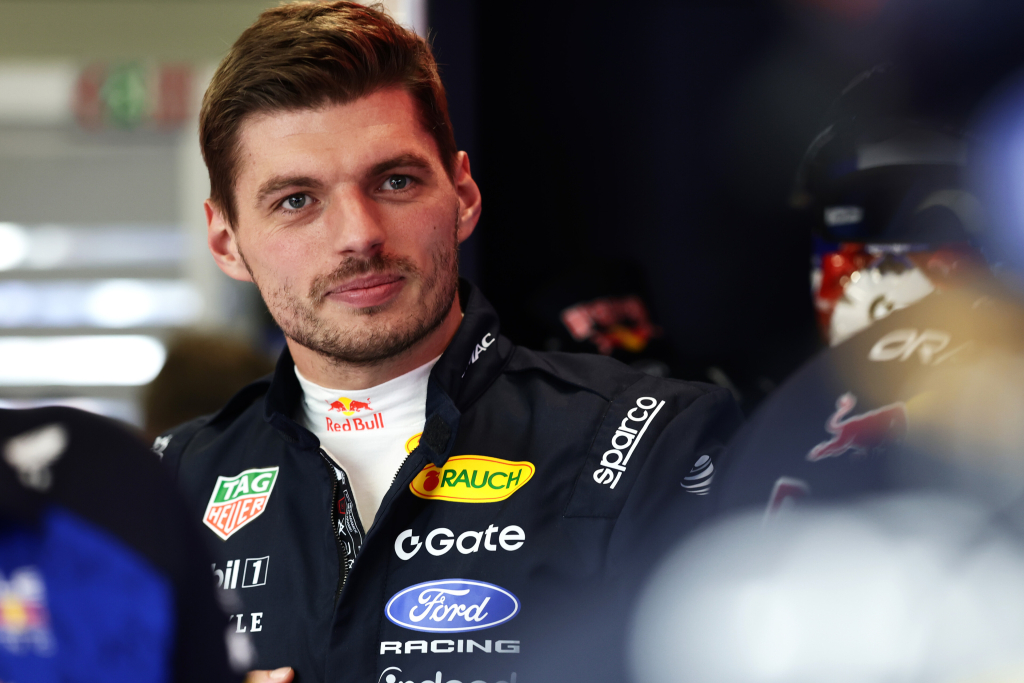 21:30 Šaltiniai: M. Verstappenas yra pažengusiose derybose su „McLaren“
(54)
21:30 Šaltiniai: M. Verstappenas yra pažengusiose derybose su „McLaren“
(54)
-
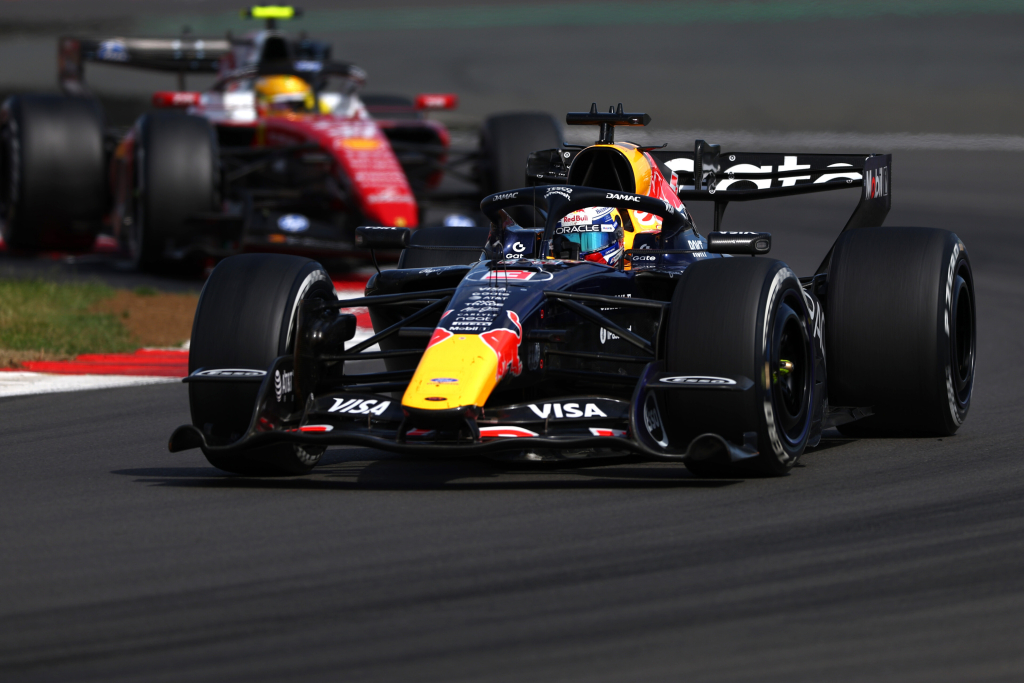 18:25 Paaiškėjo M. Verstappeno avarijos priežastis
(28)
18:25 Paaiškėjo M. Verstappeno avarijos priežastis
(28)
-
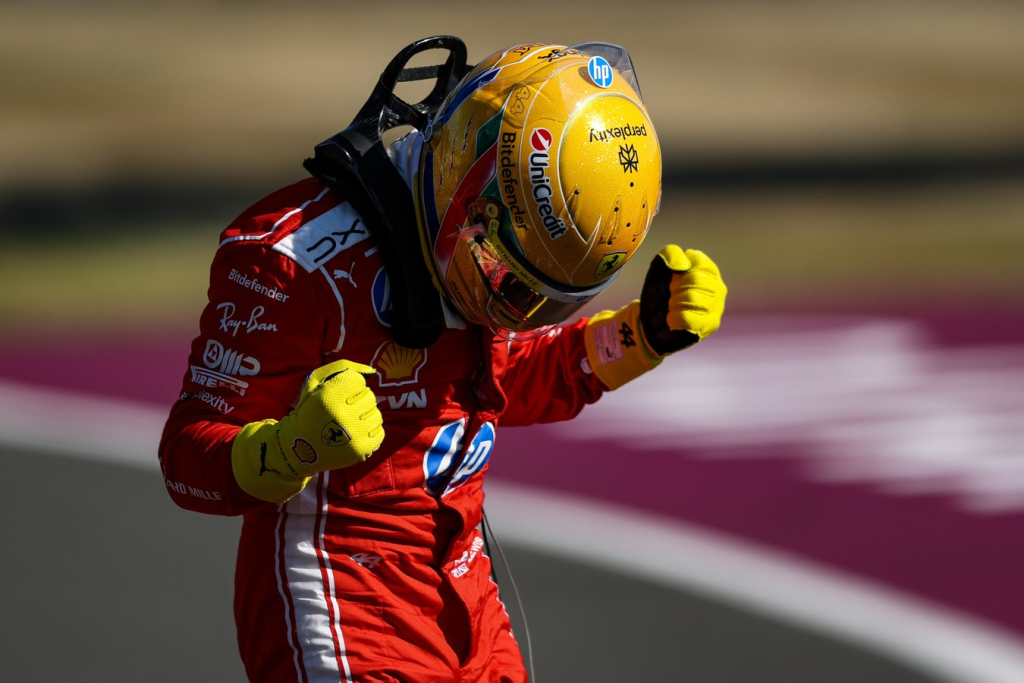 19:25 Silverstouno sprinto kvalifikacijoje – vietinės žvaigždės L. Hamiltono triumfas
(55)
19:25 Silverstouno sprinto kvalifikacijoje – vietinės žvaigždės L. Hamiltono triumfas
(55)
-
 16:30 Didžiosios Britanijos GP: lenktynės (tiesiogiai)
(50)
16:30 Didžiosios Britanijos GP: lenktynės (tiesiogiai)
(50)
-
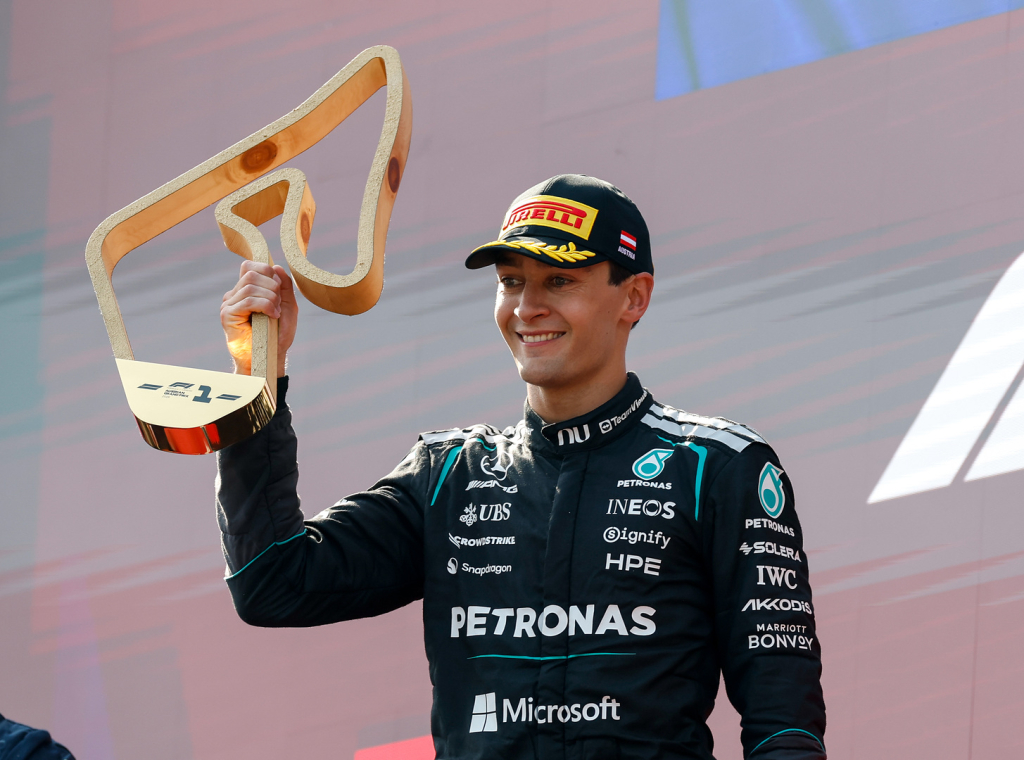 17:35 Austrijos GP lenktynėse – G. Russello triumfas
(65)
17:35 Austrijos GP lenktynėse – G. Russello triumfas
(65)
F-1.lt pulsas
Populiarios paieškos
Rekomenduojama
Telefonų numeriai
Automobilio taršos mokesčio skaičiuoklė
Automobilių skaičiuoklės
Kuro kainos
F-1 esportas
F-1 komandos
F-1 pilotai
F-1 trasos
Skaičiuotuvas
Transporto priemonės taršos mokesčio skaičiuoklė
Kelių eismo taisyklės